
— News Center
Brazil Reopens EV Parts Tariff-Free CKD/SKD Quota
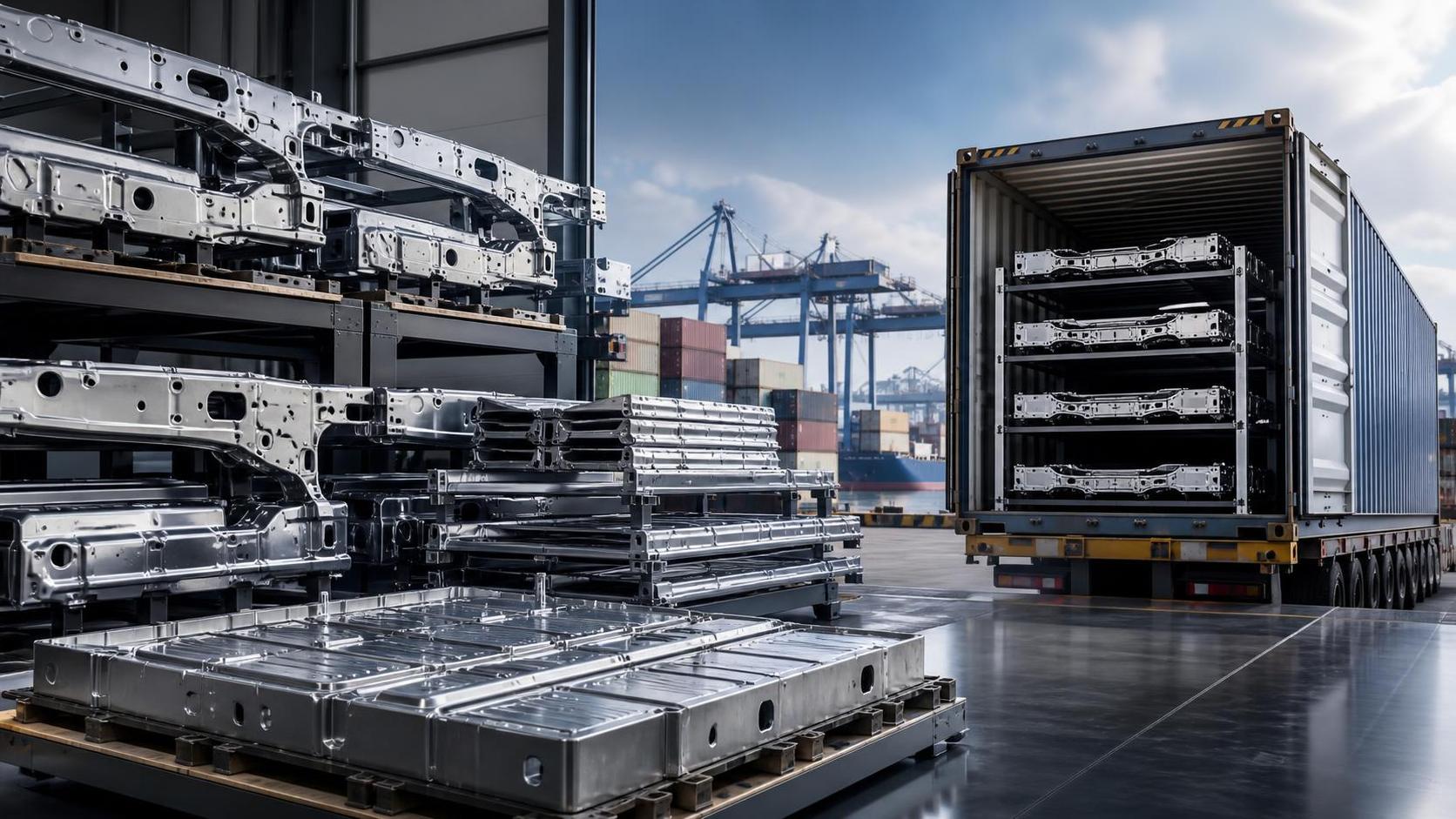
On July 1, 2026, Brazil resumed a six-month tariff-free import quota for new energy vehicle CKD and SKD components through CAMEX, reopening a time-sensitive channel for parts entering the local market in semi-knocked-down and completely knocked-down form. For exporters of steel products, formed sections, and downstream structural components, this matters less as a headline about vehicle imports and more as a practical shift in how chassis parts, structural assemblies, and battery tray-related products may be shipped into Brazil during the quota window.
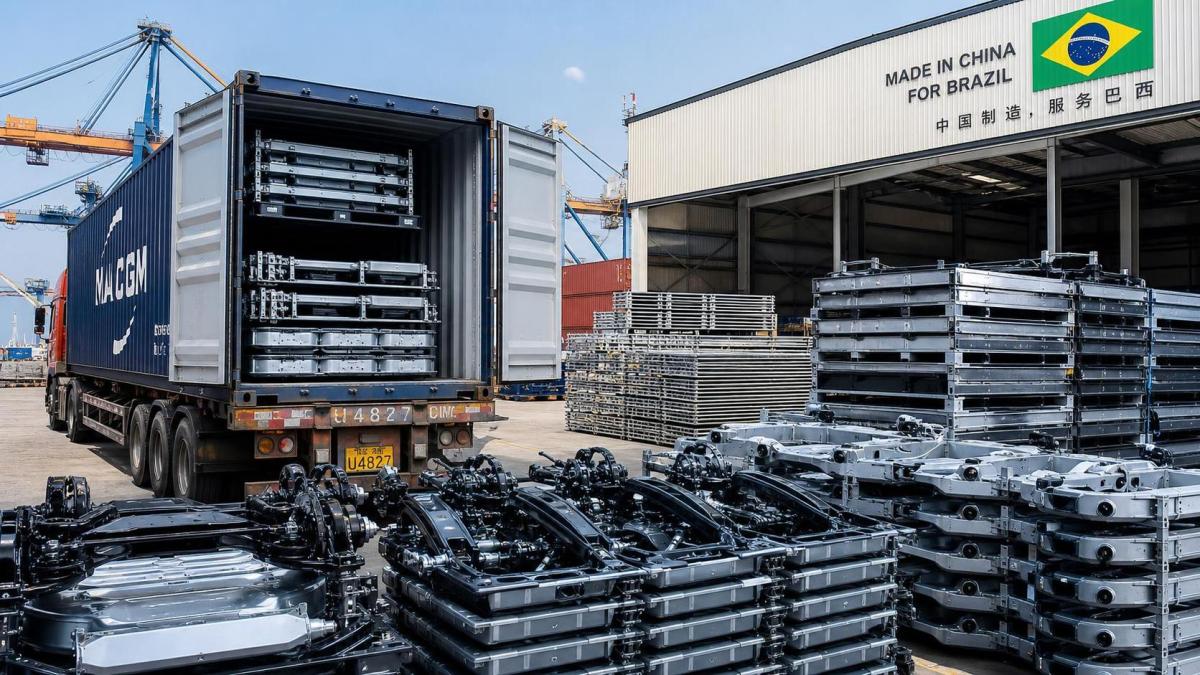
What the policy now covers
According to the information provided, CAMEX restored a tariff-free import quota for new energy vehicle CKD and SKD components starting on July 1, 2026. The measure will run for six months, with a total quota amount of USD 463 million. Imports within the quota can enter at zero tariff.
For volumes exceeding the quota, SKD imports are subject to a 35% tariff and CKD imports to a 14% tariff. Fully built CBU vehicles remain subject to a full 35% tariff. The policy directly affects global steel and section exporters because a significant volume of structural parts, chassis components, battery trays, and other deep-processed section-based products is already entering Brazil through CKD and SKD trade structures.
Why the impact reaches beyond vehicle assembly
A narrower cost window for component exporters
From an industry perspective, the immediate effect is on exporters whose products can be classified and delivered through CKD or SKD arrangements rather than as complete vehicles. For suppliers of structural components, chassis-related parts, and battery tray assemblies, the tariff difference changes landed-cost calculations, order timing, and the commercial attractiveness of Brazil-bound shipments during the six-month window.
Pressure points for steel and section processing businesses
Analysis shows that steel processors and section-based component manufacturers may be affected not because the raw material trade itself has changed, but because downstream fabricated parts may see a stronger push through assembly-oriented import models. Businesses supplying formed structural parts are therefore more exposed to quota use, shipment sequencing, and customer demand shifts than firms selling undifferentiated material alone.
Implications for supply chain and trade service providers
Companies involved in customs handling, shipment planning, and cross-border execution may also need to pay closer attention. The commercial value of entering within quota is materially different from entering above quota, especially for SKD. That makes documentation accuracy, shipment scheduling, and alignment with customer import plans more operationally important during this period.
What companies should watch during the quota window
Quota use versus nominal policy access
What deserves closer attention is the distinction between the policy announcement and actual usable quota space. A tariff-free window exists in principle, but the business outcome depends on whether shipments can enter while quota remains available. Exporters and buyers should therefore track how commercial plans align with the timing of quota usage.
Product scope and import structure
For companies shipping structural assemblies, chassis parts, or battery tray-related products, the practical question is how goods are structured for import under CKD or SKD arrangements. The tariff treatment differs once the quota is exceeded, and it also differs between CKD and SKD. That means classification, shipment configuration, and contract alignment deserve closer internal review.
Documents, lead times, and customer communication
Observably, this is the kind of policy change that can create execution risk if commercial teams, logistics teams, and buyers are working from different assumptions. Firms involved should pay attention to document completeness, delivery timing, fulfillment cycles, and customer-side import readiness, especially where orders depend on entering under the tariff-free quota rather than above it.
Further official clarification and rule stability
Companies should also continue watching for any additional official wording, implementation details, or practical interpretations tied to the resumed measure. The policy headline creates a commercial opening, but day-to-day execution often depends on how import rules are applied in actual transactions.
How this development is best understood now
Analysis shows that this is better understood as a short-term operating window than as proof of a fully settled long-term policy direction. The six-month duration is concrete, and the tariff gap between in-quota and above-quota treatment is commercially meaningful. At the same time, the continued 35% tariff on CBU vehicles indicates that Brazil is still clearly distinguishing between complete vehicle imports and component-based entry routes.
It is more appropriate to understand this as a policy signal that temporarily improves the economics of CKD and SKD flows into Brazil, particularly for component categories tied to steel fabrication and structural assemblies. Whether that translates into broader or longer-lasting trade adjustments still requires continued observation.
A practical reading for the market
For the industry, the main significance of this development lies in timing and channel choice. It does not remove tariff exposure across the board, and it does not change the full-duty treatment for CBU vehicles. What it does is reopen a defined import path that can matter for exporters, processors, buyers, and supply chain operators working around new energy vehicle component trade into Brazil.
At this stage, the most balanced reading is that the measure creates a near-term commercial window rather than a finished long-term outcome. Companies tied to CKD and SKD business should treat it as a live operating factor, while continuing to monitor how policy wording translates into actual transaction conditions.
Basis of this article
This article is based on the user-provided news title, event date, and event summary concerning Brazil's resumption of a tariff-free CKD/SKD quota for new energy vehicle components from July 1, 2026. For this type of development, relevant source categories would usually include official government notices, company disclosures, industry association updates, authoritative media reporting, and related trade or standards documentation.
No specific official source link was provided in the input, so the exact primary document link remains to be independently verified. Further follow-up should focus on any additional official clarification, implementation language, and market-side evidence of how the quota is being used in practice.
By clicking 'Allow All', you agree to the storage of cookies on your device to enhance site navigation, analyze site usage and assist with our marketing efforts.
Leave a message and we'll get back to you soon.