
— News Center
Flores Quake Leaves Nickel Exports Intact, Stainless Profile Supply Chain Steady
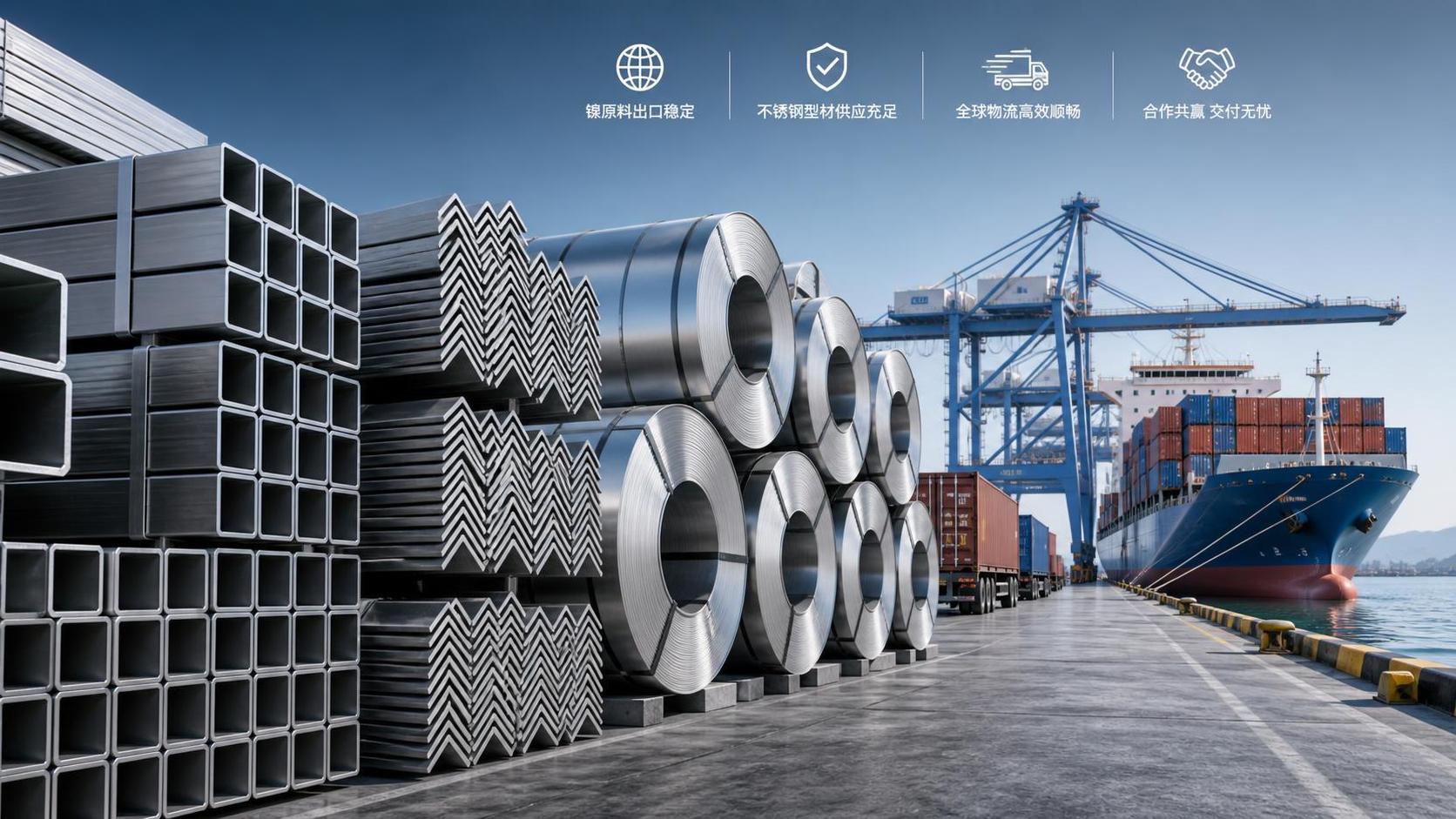
On August 15, 2026, a magnitude 7.7 earthquake struck Indonesia's Flores Island, briefly raising market concerns over possible disruption to nickel ore supply and stainless steel raw material logistics. Based on the information provided, the key industry relevance is not a new formal regulation, but a trade and supply-chain compliance signal: export performance from major nickel-producing and shipping areas remained normal, which matters directly for stainless profile exporters, overseas importers, procurement teams, and distribution channels that rely on stable delivery schedules and documentary consistency.
What Has Been Confirmed So Far
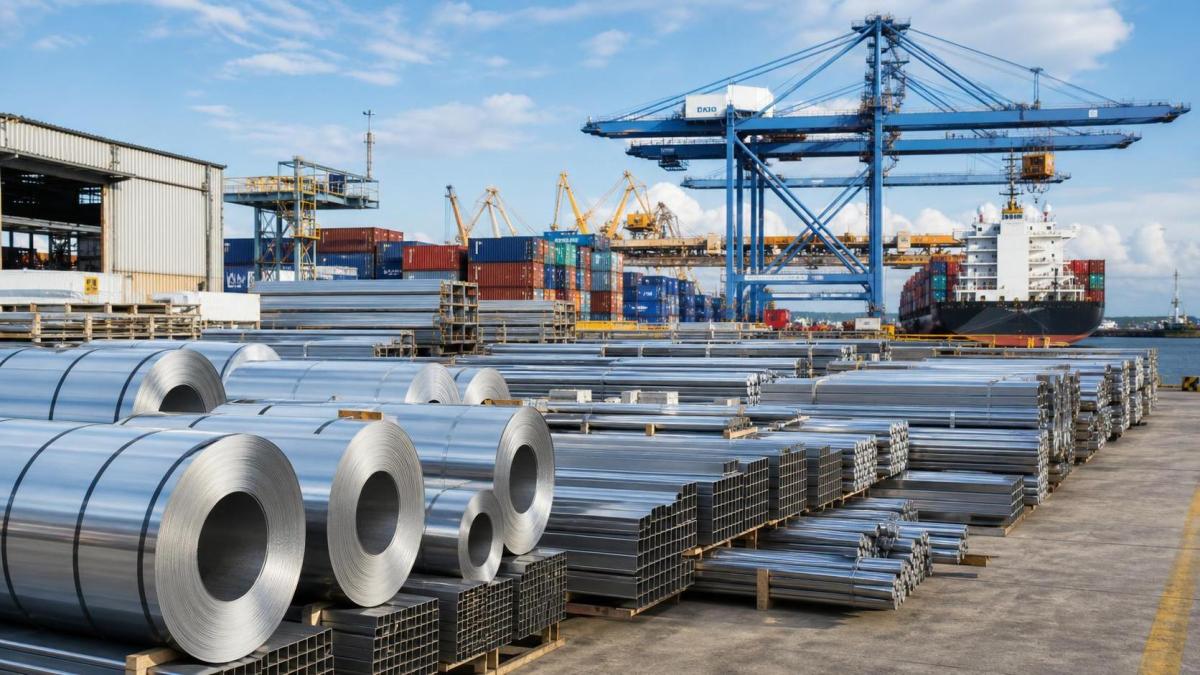
The confirmed facts are limited and clear. The earthquake occurred on August 15, 2026, on Flores Island in Indonesia. According to the provided summary, Mysteel assessed that the epicenter was far from major nickel mining areas, including North Maluku and Sulawesi, as well as key export ports such as Morowali and Banga. On that basis, nickel mining, smelting, and exports of stainless steel billet and hot-rolled coil were not affected. The same summary indicates that China's delivery rhythm for stainless steel profile exports to Southeast Asia remained normal.
Why This Matters for Trade Execution and Procurement Decisions
For importers relying on Indonesian nickel-linked supply
From an industry perspective, the immediate issue is supply continuity rather than volume expansion or price direction. Importers and overseas stainless product buyers may view this development as a reference point when assessing whether force majeure concerns, shipment delays, or sourcing substitutions need to be activated. Based on the provided information, no such disruption has been confirmed at this stage, so buyers should focus on verifying shipment schedules, cargo documents, and supplier notices rather than assuming an automatic interruption.
For stainless profile exporters and processors
For exporters and downstream processing companies, the practical relevance lies in delivery commitments and contract execution. Since the summary states that stainless billet and hot-rolled coil exports were not affected and export delivery rhythm remained normal, companies involved in profile production and shipment should pay closer attention to whether customer-side documentation, inspection timing, or logistics booking assumptions have changed in response to the earthquake. Analysis suggests that maintaining traceable communication on raw material continuity may become more important in current negotiations, even if operations themselves remain stable.
For distributors and regional channel operators
Distributors serving European and Asian channels may use this information as a short-term stability reference for inventory planning and replenishment timing. The operational concern is less about new compliance obligations and more about whether customers, insurers, or channel partners request additional confirmation on origin, production status, or delivery reliability. That remains a matter for ongoing verification rather than a confirmed new rule.
What Companies Should Check Now
Review contract and shipment communication language
Companies involved in cross-border stainless steel trade should review whether existing contracts, order confirmations, and shipping updates contain clear language on production continuity and delivery timing. The event summary supports a stable supply reading, but counterparties may still request updated confirmations before releasing orders or finalizing shipment windows.
Verify supply-chain evidence and supporting documents
Where procurement or customer approval processes require supporting records, businesses may need to confirm production status, port arrangements, and shipment documentation with suppliers and logistics partners. This is especially relevant where purchasing decisions depend on consistent proof of origin, mill scheduling, or delivery reliability. The provided information does not establish any new documentary requirement, so this should be understood as a practical verification step rather than a mandatory rule change.
Monitor whether buyer requirements shift after the event
Analysis suggests that some buyers or channel partners may temporarily tighten their internal review of delivery risk, even when upstream operations remain unaffected. Companies should therefore watch for changes in tender language, additional supply assurances, or revised delivery clauses in purchase orders. At present, such follow-on changes are not confirmed by the input and remain a point for observation.
Keep procurement and production planning aligned
For manufacturers and service centers, it is sensible to keep procurement plans aligned with actual supplier performance instead of reacting to headline risk alone. Since the supplied facts indicate that key mining and export areas were not disturbed, immediate switching decisions or substitute sourcing should be evaluated cautiously and based on verified execution signals.
How This Signal Should Be Read
At this stage, it is more appropriate to understand the development as an execution signal of short-term supply-chain stability rather than as evidence of a new regulatory regime or a confirmed trade restriction. The more important industry takeaway is that market participants quickly tested the resilience of a nickel-linked stainless steel supply chain against a major external event, and the initial assessment pointed to continuity in mining, smelting, export flow, and downstream delivery rhythm.
What deserves closer attention next is whether any later official statements, logistics adjustments, buyer-side compliance checks, or trade execution changes emerge after the initial assessment. Until such information appears, the current message is one of operational continuity, not a confirmed change in rules.
A Practical Reading for the Stainless Supply Chain
In practical terms, this event should be treated as a stability reference for companies exposed to Indonesian nickel and related stainless steel inputs. The available facts do not indicate disruption to major mining areas, key export ports, or export delivery rhythm into Southeast Asia. For the market, that supports a cautious but rational approach: continue monitoring execution details, keep documentation and supplier communication current, and avoid overstating disruption where no confirmed interruption has been identified.
Basis of This Article and What Still Needs Verification
This article is generated solely from the user-provided news title, event date, and event summary. For events of this kind, relevant source categories would typically include official announcements, regulator releases, customs or trade authority information, industry association updates, standard-setting documents, and reporting by established industry media. No specific official source link was provided in the input, so any later policy interpretation, regulatory wording, trade execution detail, or market response still requires ongoing verification. Continued attention should be paid to subsequent policy detail, certification-related execution language, tender document changes, trade performance, industry feedback, and company-level implementation signals.
By clicking 'Allow All', you agree to the storage of cookies on your device to enhance site navigation, analyze site usage and assist with our marketing efforts.
Leave a message and we'll get back to you soon.