
— News Center
CISA Q3 Meeting: Most Steelmakers See Significant Q4 Supply-Demand Imbalance
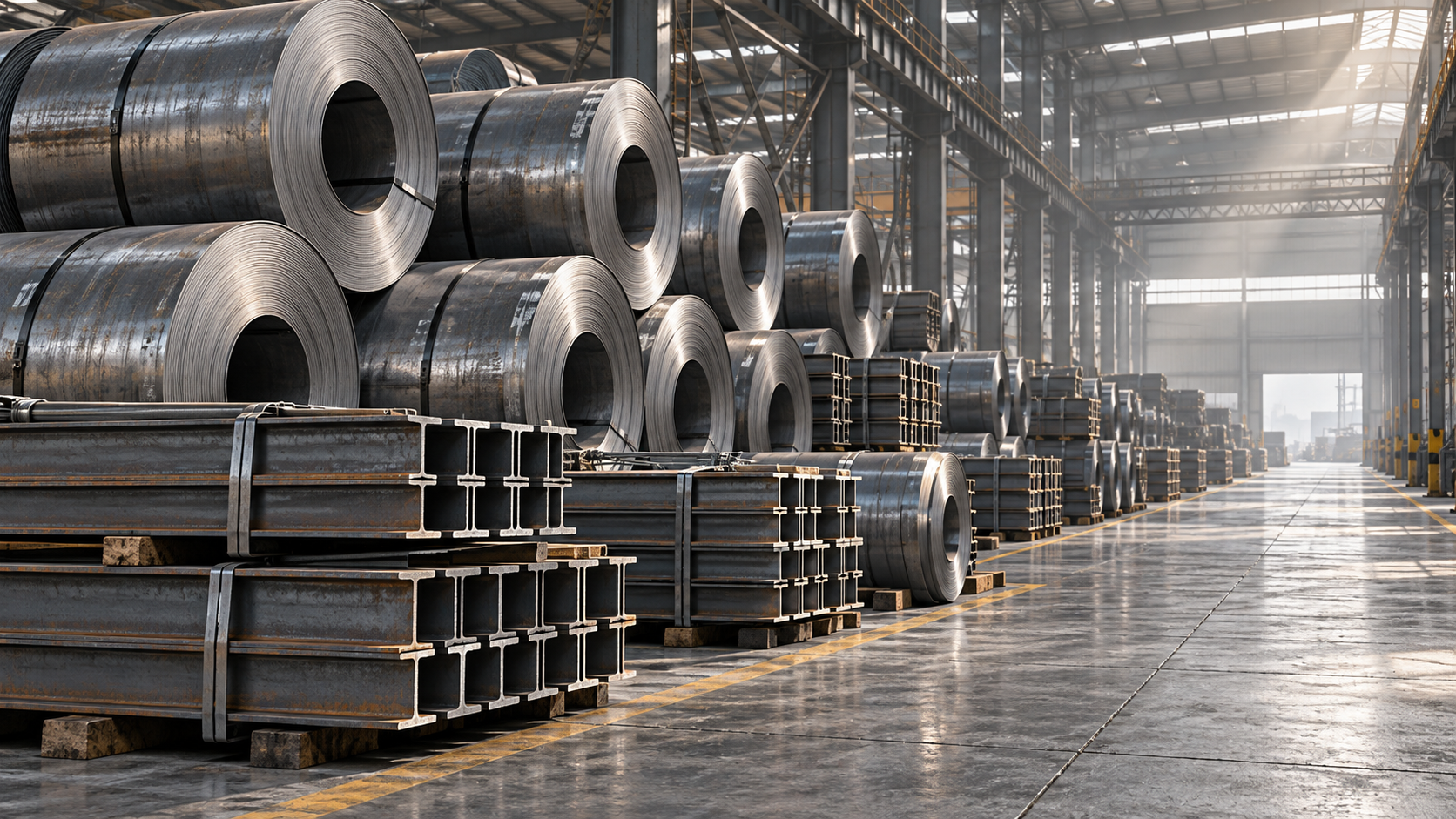
Most steelmaker representatives at a third-quarter economic operations meeting on October 23, 2026, expected a significant supply-demand imbalance to persist in the fourth quarter. Hosted by the China Iron and Steel Association (CISA) and co-organized by Liuzhou Iron and Steel Group, the meeting identified strong supply and weak demand as the industry's main challenge.
Participants expected China's domestic steel market to combine considerable flexibility in supply with relatively weak demand. The meeting called for a clear understanding of this imbalance and efforts to safeguard stable industry operations.
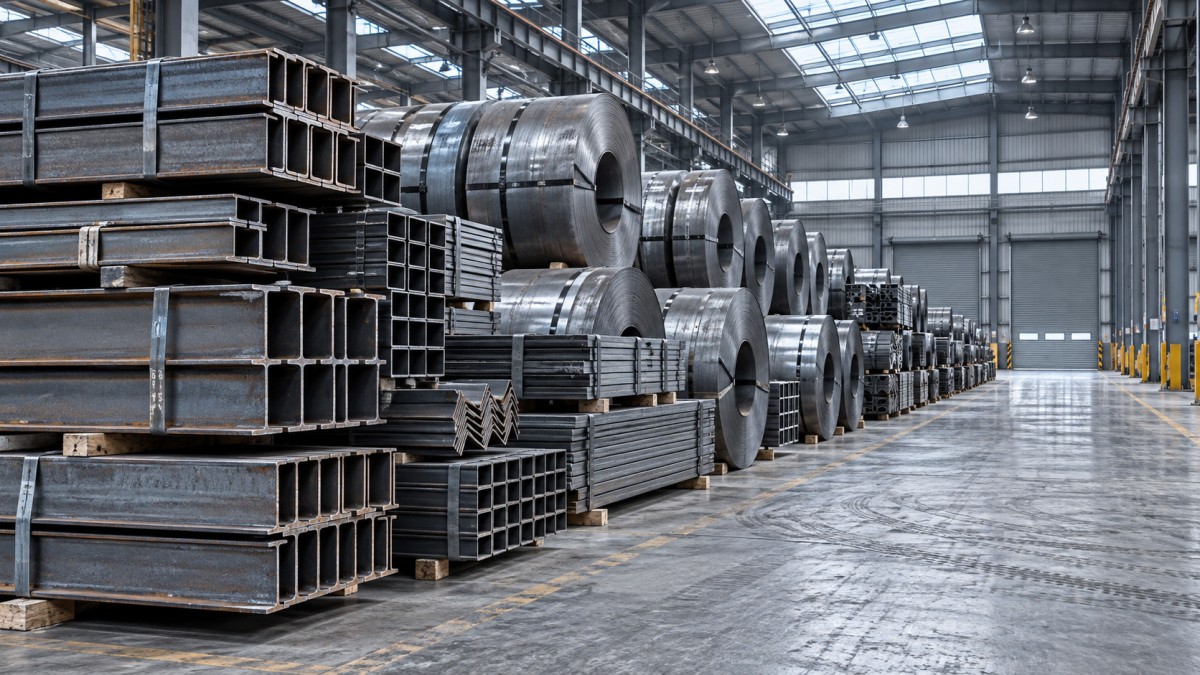
The distinction between supply flexibility and demand weakness helps explain the concern. An ability to adjust output does not itself mean that production will align with consumption. If supply remains strong while demand offers limited support, competition for orders could intensify, putting pressure on selling prices and producers' margins. These are potential consequences of the imbalance, rather than market outcomes established by the meeting.
For production planning and procurement, the key question is whether actual demand can absorb available supply. If output remains above market requirements, inventory pressure could build; a closer alignment between production and orders could help ease that pressure. The fourth-quarter outlook therefore depends on how supply decisions respond to demand.
The views expressed at the meeting signal concern among participating steelmakers, but do not establish the scale of any future surplus or a definite direction for steel prices. Subsequent CISA updates and company disclosures on production, orders and inventories would help show whether the anticipated imbalance is easing or persisting.
By clicking 'Allow All', you agree to the storage of cookies on your device to enhance site navigation, analyze site usage and assist with our marketing efforts.
Leave a message and we'll get back to you soon.