
— News Center
EU CBAM Data Collection Extends to Steel Sections

On July 11, 2026, the European Commission issued a new CBAM implementation notice that moves steel sections and related steel products into a more operational compliance stage. From October 1, 2026, hot-rolled and cold-formed sections, H-beams, angle steel, and similar products will be subject to mandatory reporting of embedded carbon emissions, while transitional data collection has already started. For exporters, EU importers, distributors, and procurement teams, this is worth close attention because carbon reporting is no longer a distant policy topic for these product lines; it is becoming a practical condition tied to customs compliance, supplier access, and transaction readiness.
What the new notice confirms for covered steel products
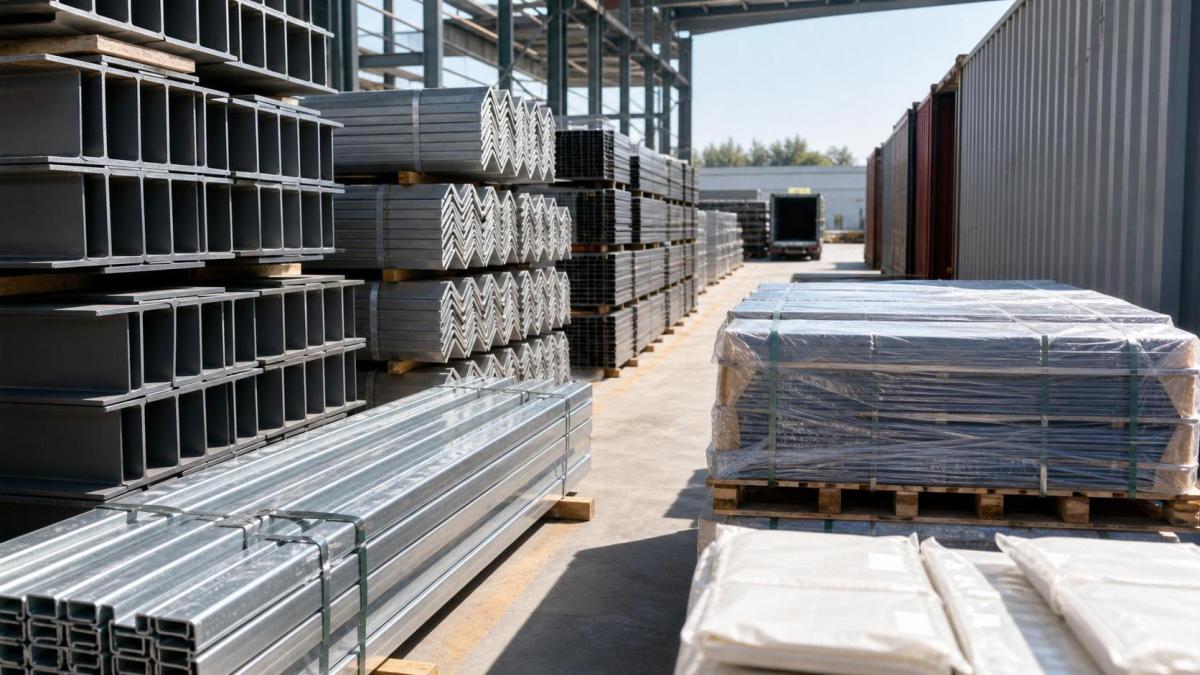
The confirmed facts are limited but clear. According to the implementation notice released by the European Commission on July 11, 2026, CBAM will require mandatory embedded carbon emissions reporting from October 1, 2026 for certain steel and section products, including hot-rolled or cold-formed steel sections, H-beams, and angle steel.
The transitional data collection process started on the same date as the notice. Chinese exporters are required to provide EU importers with carbon intensity reports that have been verified by an accredited third party.
The notice directly affects customs compliance costs for overseas distributors and may influence procurement access conditions.
Where the pressure is likely to appear across the trade chain
Export transactions may face a new documentation threshold
For exporters shipping the covered steel categories to the EU market, the immediate issue is not only product shipment but the ability to provide carbon emissions information in a form accepted by the importer. The impact is likely to be concentrated in quotation preparation, contract support, shipment files, and pre-clearance coordination. What deserves closer attention is whether existing export documentation workflows are ready to include third-party verified carbon intensity reporting alongside the commercial and technical documents already used in trade.
Importers and distributors will carry more clearance and supplier-screening pressure
For EU importers and overseas distributors, the notice points to a higher compliance burden at the customs and procurement access stage. If the required reporting package is incomplete or not aligned with CBAM expectations, the practical risk may shift from the production side to the import side, where customs handling, supplier onboarding, and product eligibility decisions are made. From an industry perspective, this means distributors may begin paying closer attention to whether suppliers can deliver verified emissions data with the same consistency as they deliver quality and shipment documents.
Procurement teams may treat emissions data as a commercial entry condition
For buyers and procurement managers handling steel sections for EU-facing business, the rule change may influence vendor selection and order planning. The issue is not only product specification, but whether a supplier can support the reporting requirement in time for import use. Analysis shows that procurement review may increasingly extend beyond price, lead time, and technical fit to include document readiness, third-party verification status, and the supplier's ability to maintain traceable emissions information for the covered products.
Verification and testing-related service providers may see more demand for supporting files
Because the notice specifically refers to accredited third-party verification, service providers involved in verification or emissions-related reporting may become more directly connected to the export process for these steel products. The practical effect is likely to be felt in scheduling, document preparation, and the alignment of report formats with importer expectations. That does not yet establish a final execution pattern, but it does indicate that verification capacity and turnaround may become part of delivery planning.
Operational points companies should watch now
Check whether covered product lines are already inside the reporting path
Companies trading in hot-rolled or cold-formed sections, H-beams, angle steel, and similar items should first determine whether their active export product mix is affected by the confirmed reporting requirement from October 1, 2026. The key practical question is whether the products now being quoted, produced, or prepared for shipment will require verified embedded carbon emissions reporting for the importing party.
Review the readiness of third-party verified emissions reports
The notice makes accredited third-party verification a concrete compliance element rather than an optional supporting item. Companies should therefore pay attention to whether their current emissions reporting materials are available, whether they are suitable for importer use, and whether internal teams can connect product, production, and verification records without delay. Since no further execution detail is provided in the input, this should be understood as a monitoring priority rather than a settled procedural outcome.
Revisit contract files, bid materials, and shipping documentation
Observably, this type of rule change can move commercial paperwork and technical support files closer together. Exporters, distributors, and procurement teams should watch for possible changes in document requests, supplier qualification files, tender materials, and shipment document packages. The current signal is that carbon intensity reporting may become part of transaction acceptance, not just a separate sustainability discussion.
Watch for shifts in lead times and supplier acceptance criteria
Where verification is required before importer use, delivery planning may be affected by how quickly compliant reporting can be assembled and accepted. Analysis shows that companies should pay attention to whether supplier approval, order release, or customs preparation begins to depend on verified carbon data for the covered products. This is especially relevant where procurement and logistics calendars are already tight.
Why this reads as an execution signal, not just a policy headline
From an industry perspective, this development is more than a broad policy reminder because it connects named steel product categories with a clear reporting start date and an immediate data collection phase. That makes it more appropriate to understand the notice as an execution signal with real trade process implications, even though some operational details may still need further clarification through later practice.
Observably, the most important change is the shift from abstract CBAM awareness to document-based readiness for actual shipments and importer compliance. At the same time, it would be premature to present every consequence as fixed, because the input does not provide detailed implementation criteria, document formats, or market feedback. Continued attention is therefore likely to center on how reporting expectations are applied in procurement files, customs handling, and supplier acceptance.
How this update is best understood at this stage
At this stage, the notice is best read as a confirmed compliance development for covered steel sections entering EU trade workflows, rather than as a fully settled end-state for all execution details. The rule change matters because it links carbon reporting, third-party verification, and market access conditions more directly than before for the named product categories.
A rational reading is that companies connected to these exports should treat the announcement as a near-term operational requirement with downstream effects on documentation, procurement review, and customs preparation, while continuing to monitor how implementation language is applied in practice.
Basis of this article and what still needs verification
This article is based on the user-provided news title, event date, and event summary. For developments of this type, commonly relevant source categories include official notices, regulator releases, customs or trade authority information, industry association updates, standards-related documents, and reporting from established trade media.
No specific official source link was provided in the input, so the exact source document link still requires ongoing verification. What also remains worth tracking includes later implementation details, verification expectations, tender and procurement document changes, market feedback, and how affected companies execute the reporting requirement in practice.
By clicking 'Allow All', you agree to the storage of cookies on your device to enhance site navigation, analyze site usage and assist with our marketing efforts.
Leave a message and we'll get back to you soon.