
— News Center
US Opens Hot-Rolled Coil Anti-Circumvention Probe
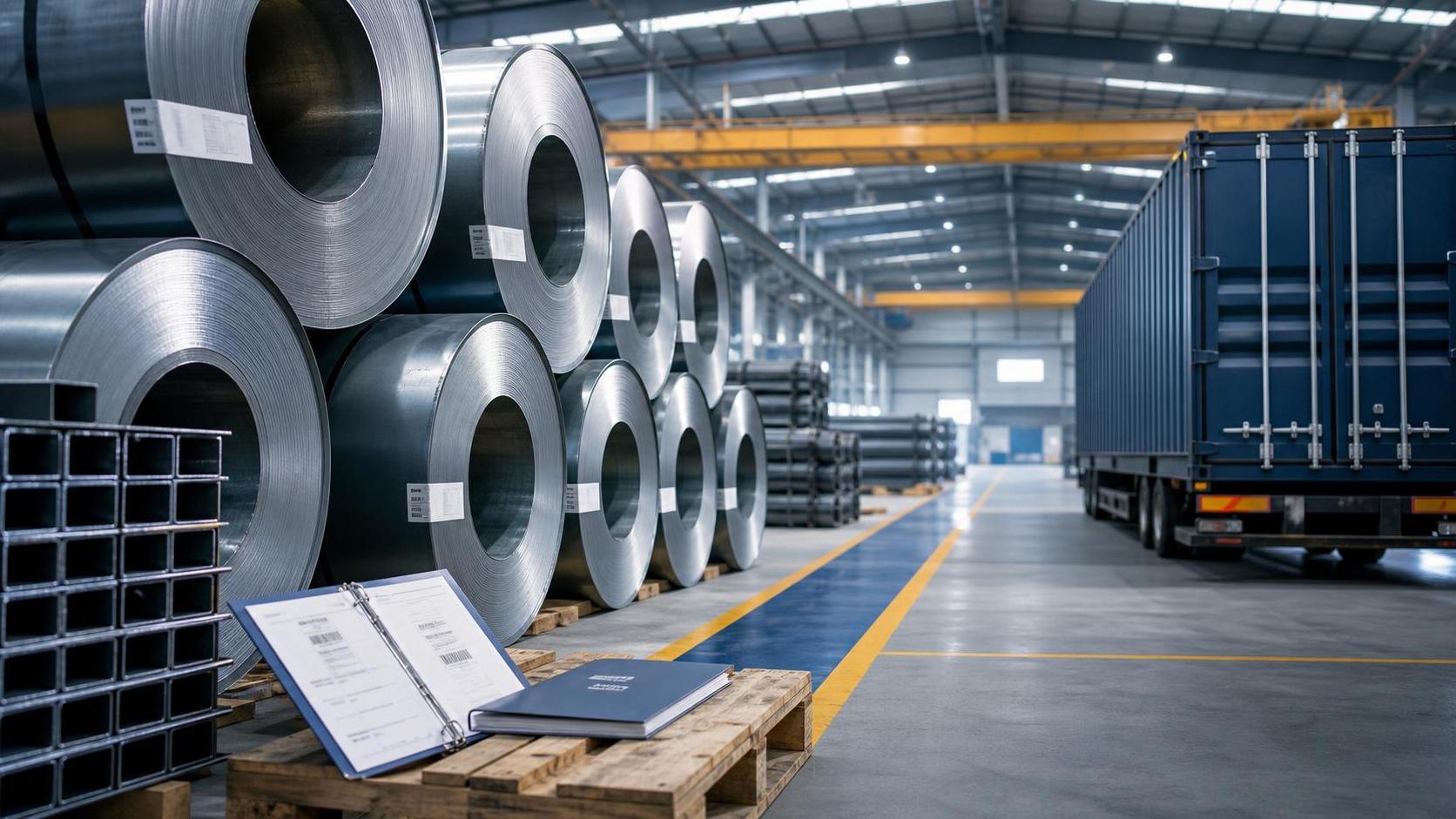
On July 30, 2026, the U.S. Department of Commerce announced an anti-circumvention investigation involving hot-rolled steel coil of Chinese origin under HS 7208/7211, with attention on shipments routed through Vietnam, Malaysia, and Mexico or exported to the U.S. after simple processing. For importers, traders, upstream material distributors, and channel partners tied to section and profile supply, this is not just a trade headline; it is a compliance signal that may affect customs clearance exposure, supply chain traceability duties, and the cost structure behind existing and pending orders.
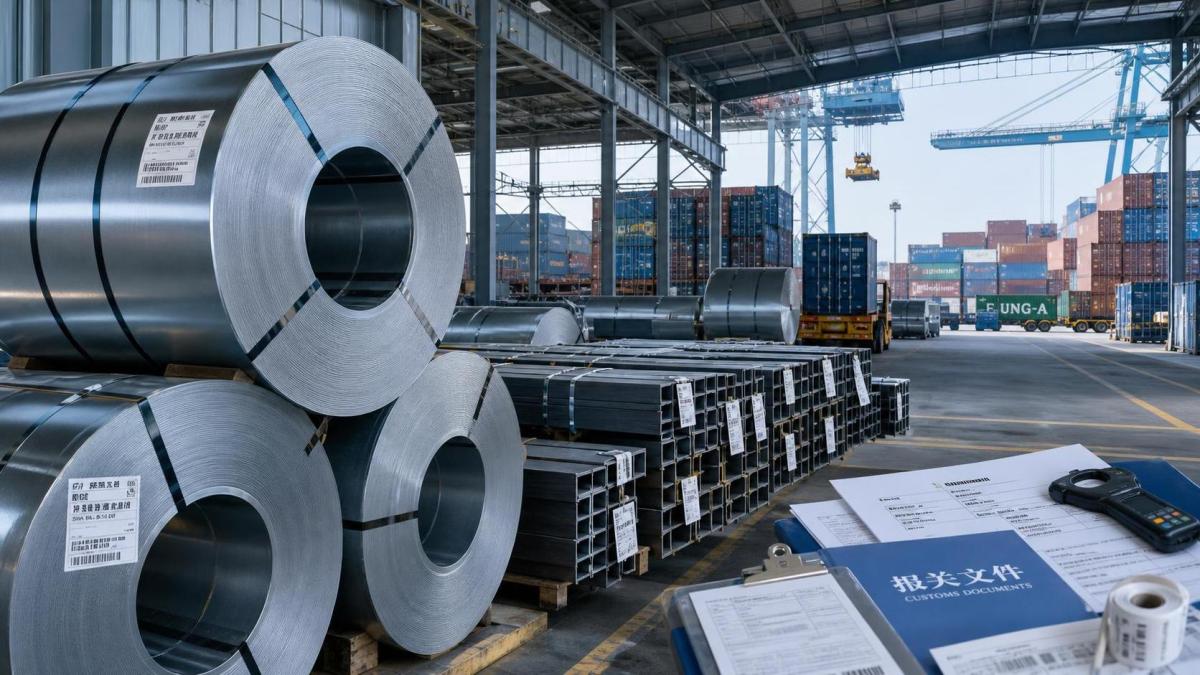
What the official notice has put into scope
The confirmed development is that the U.S. Department of Commerce formally initiated an anti-circumvention investigation on July 30, 2026, concerning hot-rolled steel coil originating in China. The products referenced are classified under HS 7208/7211. The stated focus is whether products exported to the United States through Vietnam, Malaysia, or Mexico, or after simple processing in those locations, are being used to circumvent existing anti-dumping and countervailing duty orders. The event summary further indicates that the investigation directly affects overseas importers' customs compliance, supply chain traceability responsibilities, and procurement cost structures, with immediate relevance for distributors and channel businesses sourcing upstream raw materials for section products.
Where the pressure is likely to surface first
Import-side customs and documentation control
From an industry perspective, overseas importers are among the first parties likely to feel the effect because customs entry compliance depends on how product origin, processing path, and supporting declarations are presented. What deserves closer attention is whether current documentation packages are sufficient to support the declared trade path for hot-rolled coil entering the U.S. market. This makes order files, supplier statements, and route-specific supporting records more sensitive than before.
Trading and channel businesses linked to upstream steel supply
Distributors and channel operators involved in upstream material sourcing for profile and section production may face immediate commercial and compliance questions. Analysis shows the issue is not limited to direct exporters. Intermediary businesses may need to recheck whether current procurement arrangements rely on transshipment or limited processing structures that could draw scrutiny. In practice, the affected points are likely to include supplier declaration management, order routing, contract risk allocation, and the review of origin-related commercial paperwork.
Processors and manufacturers using rerouted supply chains
For processors and manufacturers purchasing hot-rolled coil that may pass through third countries before reaching the U.S. market, the relevant risk lies in how much transformation occurs before export and how that path is documented. Observably, this places greater importance on traceability across purchasing, production, and delivery records. Even where the business model is commercially established, firms may need to pay closer attention to whether simple processing arrangements can withstand review from a trade compliance standpoint.
Supply chain service providers supporting delivery execution
Logistics coordinators, customs-facing service providers, and supply chain support teams may also be affected because shipment routing and document consistency become more consequential when an anti-circumvention inquiry is active. The operational impact may show up in document review timelines, clearance preparation, and communication between importer, trader, and supplier regarding product origin and processing history.
What companies should review now
Check the logic behind supplier origin statements
Analysis shows that supplier declarations should not be treated as routine paperwork in this context. Businesses connected to U.S.-bound orders should review whether origin claims, processing descriptions, and shipment paths are aligned across purchase records, commercial documents, and internal compliance files. Where statements depend on rerouting or limited processing, the consistency of that narrative deserves immediate attention.
Reassess current order routes and pending deliveries
What deserves closer attention is the exposure of goods already planned through Vietnam, Malaysia, or Mexico, especially where simple processing is part of the delivery structure. This does not establish an outcome for those shipments, but it does mean companies should examine whether existing orders, in-transit cargo, or near-term procurement plans rely on assumptions that may now require closer legal and compliance review.
Prepare for a tighter traceability expectation
Observably, the investigation raises the practical importance of traceability in procurement and fulfillment. Firms should pay attention to whether bills of material, processing descriptions, supplier confirmations, and delivery files can support a coherent account of how the product moved through the supply chain. For businesses serving U.S.-linked customers, quality traceability and trade traceability are becoming harder to separate in day-to-day execution.
Watch for changes in buyer requirements and commercial terms
It is more appropriate to understand this as a trigger for possible adjustments in customer-side requirements rather than as a settled enforcement outcome. Buyers, import-side compliance teams, or contracting parties may begin asking for stronger origin support, more detailed declarations, or revised responsibility clauses. Companies involved in quotations, tenders, and shipment commitments should therefore monitor whether documentation expectations or delivery conditions start to shift.
Why this looks more like an execution signal than a settled result
Analysis shows that the current development should be read first as an enforcement and compliance signal rather than a completed regulatory outcome. The investigation itself is already a concrete change in the operating environment because it increases attention on transshipment, simple processing, and the evidentiary burden around origin and routing. At the same time, it remains necessary to watch how official language, implementation practice, and market responses develop before drawing firm conclusions on final commercial impact. For the industry, the more immediate question is not only whether a rule exists, but how quickly counterparties begin changing document standards, purchasing behavior, and order approval thresholds in response.
How the market should read this stage
At this stage, the event is best understood as a meaningful compliance development tied to U.S.-bound hot-rolled coil trade rather than as a finalized market outcome. The confirmed facts already indicate potential consequences for customs compliance, traceability responsibilities, and procurement cost management. A neutral reading is that companies exposed to rerouting, simple processing, or multi-country sourcing should treat this as an immediate review point while avoiding assumptions about final enforcement conclusions that have not yet been provided.
Basis of this article and what still needs verification
This article is based on the user-provided news title, event date, and event summary. For events of this type, relevant source categories usually include official notices, releases from trade or regulatory authorities, customs or commerce department information, industry association updates, standards-related documents, and reporting from established business media. No specific official source link was provided in the input, so the precise official reference still needs to be verified on an ongoing basis. Follow-up attention should remain on detailed policy language, implementation interpretations, buyer documentation requirements, tender document changes, industry feedback, and how affected companies adjust execution in practice.
By clicking 'Allow All', you agree to the storage of cookies on your device to enhance site navigation, analyze site usage and assist with our marketing efforts.
Leave a message and we'll get back to you soon.