
— News Center
US Starts Sunset Review on China Hot-Rolled Steel
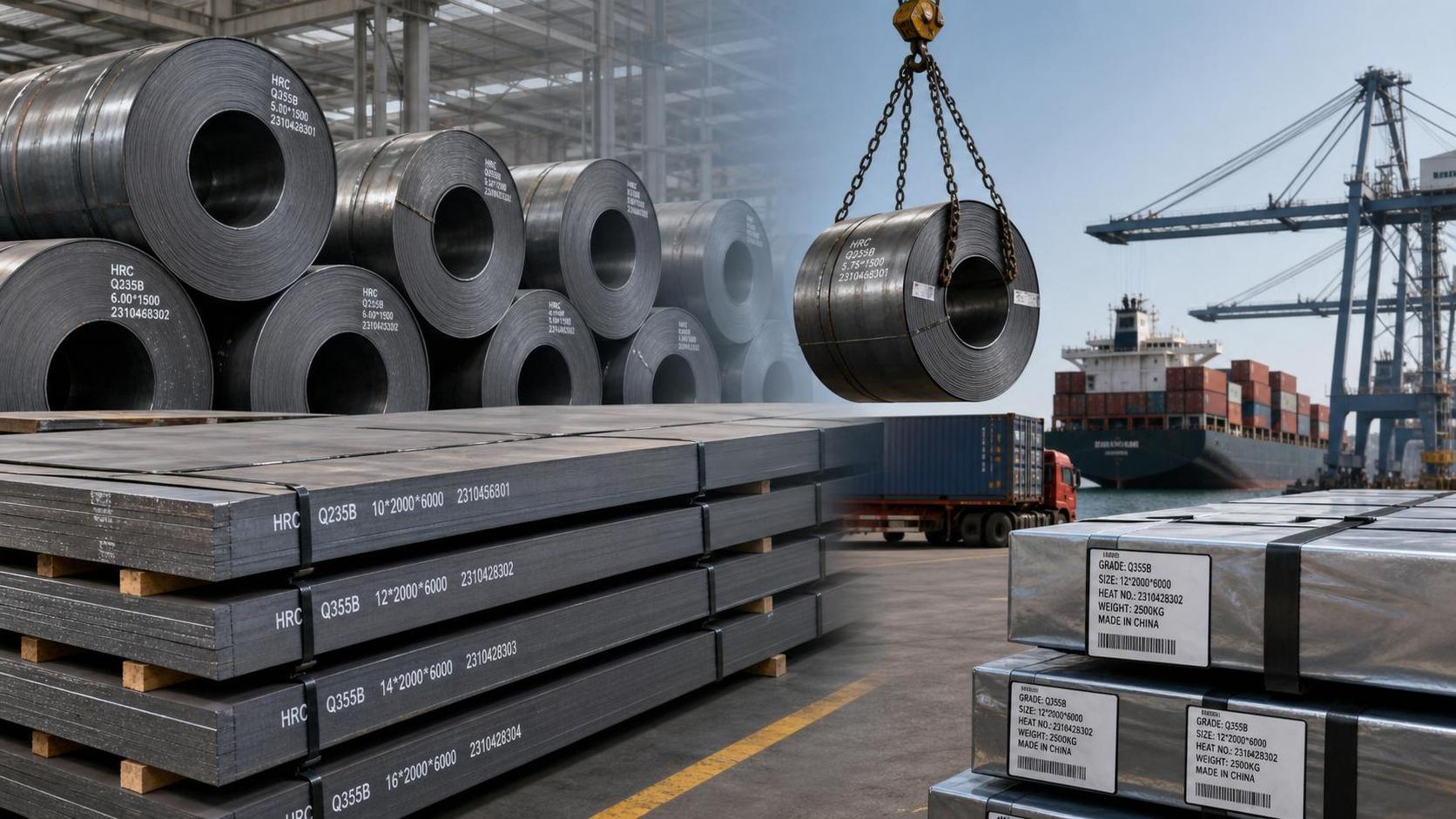
On July 21, 2026, the U.S. Department of Commerce announced the start of the first sunset review of the anti-dumping order on hot-rolled steel flat products from China, covering HTS 7208–7212, while also opening a review of the related countervailing duty order. For steel traders, U.S. importers, compliance teams, sourcing managers, and Chinese suppliers, this development is worth close attention because the outcome will determine whether the current AD/CVD measures remain in place for another five years, with direct implications for customs costs, procurement planning, and supplier market access.
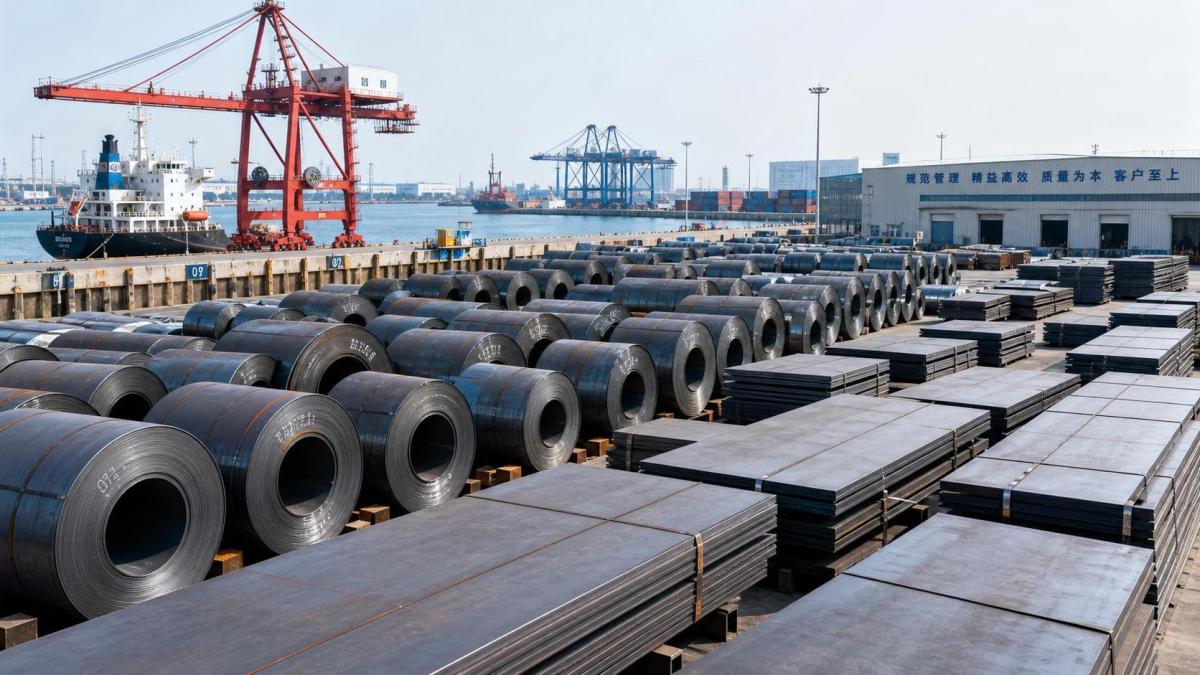
What the Commerce Department Has Formally Opened
According to the information provided, the U.S. Department of Commerce formally initiated the first sunset review of the anti-dumping duty order on hot-rolled steel flat products originating in China on July 21, 2026, following an application from the domestic industry. The product scope referenced is Hot-Rolled Steel Flat Products under HTS 7208–7212.
The same notice also triggered a review of the related countervailing duty order. The stated consequence of these review proceedings is clear: the result will decide whether the existing anti-dumping and countervailing duty orders are extended for another five years.
Where the Immediate Pressure Points May Appear
Import-side cost and customs handling
From an industry perspective, U.S. importers are among the first groups likely to feel the practical impact. The reason is straightforward: the continuation or expiration of AD/CVD orders directly affects landed cost assumptions and customs clearance exposure. What deserves closer attention is whether businesses with ongoing or planned purchases of covered products need to reassess cost calculations, entry timing, and document control tied to the current duty framework.
Supplier access and qualification risk
For Chinese suppliers, the review matters because it is directly linked to continued access conditions in the U.S. market. Analysis shows that supplier qualification is not only a pricing issue but also a market-entry issue when trade remedy orders remain active. Companies involved in offering hot-rolled steel flat products to U.S. buyers should pay attention to how customers, distributors, and trade service providers adjust qualification standards and transaction requirements during the review period.
Procurement and contract planning downstream
Procurement teams and manufacturers that rely on imported steel products may also need to monitor the review closely. The likely impact is concentrated in purchasing decisions, contract assumptions, and supply continuity planning rather than in an immediate change already confirmed by the notice itself. Observably, buyers with exposure to covered HTS lines may need to distinguish between current enforceable measures and possible future outcomes when discussing delivery, pricing, and supplier allocation.
Service providers in the trade chain
Customs brokers, trade compliance advisors, and supply chain service providers may see higher demand for classification checks, duty exposure reviews, and documentation support. The reason is that the review process itself tends to increase the importance of procedural accuracy for affected transactions, especially where supplier status, product scope, and customs treatment are commercially sensitive.
What Companies Should Track Now
Watch the official review process carefully
Businesses exposed to these product categories should follow subsequent official wording, procedural milestones, and any clarifications tied to the anti-dumping and countervailing duty reviews. The key practical point is that the notice marks the opening of a review, while the final outcome on whether the orders remain in force for another five years is still to be determined.
Check product scope against active business lines
Companies should compare their traded or procured products with the referenced category of hot-rolled steel flat products and the listed HTS 7208–7212 coverage in the information provided. Analysis shows that this is especially important for firms managing mixed product portfolios, because exposure often depends on whether specific shipments, sourcing programs, or customer commitments fall within the reviewed scope.
Prepare for documentation and communication demands
Importers, suppliers, and intermediaries should be ready for closer review of shipping documents, supplier records, and transaction files connected to covered goods. What deserves closer attention is the difference between a policy signal and a business execution issue: even before any final review outcome, customers and internal compliance teams may require clearer supporting materials, updated declarations, or more structured communication on origin and product category.
Review delivery and customer-facing contingency plans
For teams managing cross-border supply commitments, it is practical to revisit delivery schedules, quotation assumptions, and customer communication protocols. This is not because a new final result has been announced, but because the review introduces a period in which cost expectations, eligibility concerns, and account-level questions may become more active.
Why This Should Be Read as a Process Signal
Analysis shows that this development is better understood as the opening of a consequential trade remedy process rather than as a new final restriction already taking effect. The confirmed fact is the launch of the sunset review and the parallel countervailing duty review; the unresolved question is whether the existing orders will be extended for another five years.
From an industry perspective, that distinction matters. A review notice does not by itself settle long-term commercial arrangements, but it does signal that affected market participants should shift from passive monitoring to active risk tracking. It is more appropriate to understand this as an industry development that requires continued observation, especially where customs cost exposure and supplier eligibility are central to ongoing business.
How the Market May Need to Frame It for Now
The industry significance of this update lies less in surprise and more in its operational consequences. The review directly connects trade policy procedure with day-to-day decisions on sourcing, compliance, and customer commitments. A neutral reading at this stage is that the event has clear practical importance, but the final commercial meaning will depend on how the review proceeds and whether the current AD/CVD orders are ultimately extended.
For now, it is more appropriate to treat this as a material policy and compliance signal with direct implications for affected transactions, rather than as a concluded market outcome.
Basis of This Article and What Still Needs Verification
This article is based on the user-provided news title, event date, and event summary concerning the July 21, 2026 announcement by the U.S. Department of Commerce on the sunset review of the anti-dumping order and the related countervailing duty review covering hot-rolled steel flat products from China.
For this type of industry update, commonly relevant source categories may include official government notices, company disclosures, trade association releases, authoritative media reporting, and standard or classification-related reference materials. A specific official source link was not provided in the input, so the precise underlying notice should continue to be verified. Continued monitoring should focus on later official procedural updates, any clarification of product coverage, and the final determination on whether the existing AD/CVD orders will remain in effect for another five years.
By clicking 'Allow All', you agree to the storage of cookies on your device to enhance site navigation, analyze site usage and assist with our marketing efforts.
Leave a message and we'll get back to you soon.