
— News Center
U.S. Opens Sunset Review on China Hot-Rolled Steel

On July 23, 2026, the U.S. Department of Commerce announced the first sunset review of the anti-dumping duty order on hot-rolled steel products from China, covering HTS 7208-7211. The review will determine whether the current anti-dumping duties of 12.5% to 248.9% should remain in place, making this a development worth close attention from Chinese exporters, U.S. importers, distributors, customs compliance teams, and procurement functions tied to steel sourcing into the U.S. market.
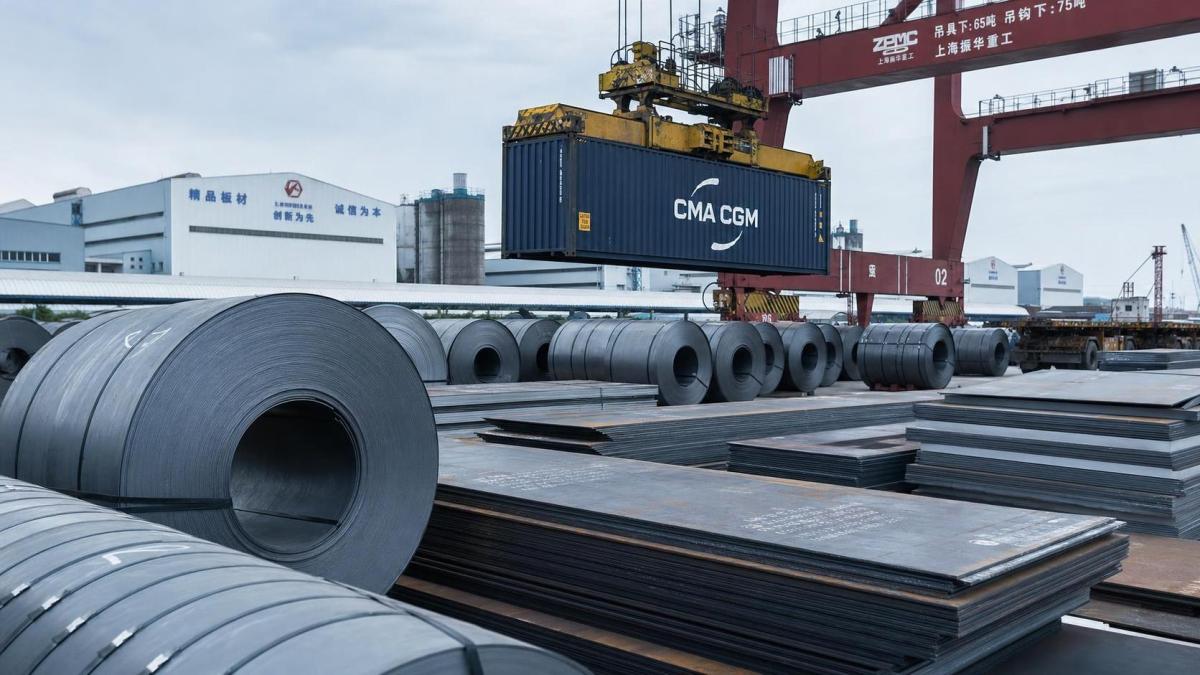
What Has Been Officially Announced
The confirmed development is limited but commercially significant. According to the information provided, the U.S. Department of Commerce issued a notice on July 23, 2026 to start the first sunset review of the anti-dumping duty order on hot-rolled steel products originating in China. The products referenced fall under HTS 7208-7211.
The purpose of the review is to decide whether the existing anti-dumping duties, currently ranging from 12.5% to 248.9%, should continue. The outcome is expected to affect the compliance route, customs clearance cost structure, and distributor sourcing decisions for exports of Chinese hot-rolled steel to the United States over the next five years.
Where the Pressure May Be Felt Across the Trade Chain
Export transactions face a renewed compliance checkpoint
From an industry perspective, direct trading companies involved in shipping hot-rolled steel from China to the United States may be affected first because the review goes to the core of future market access conditions. The immediate concern is not only the duty level itself, but also how companies assess shipment planning, contract terms, and documentation readiness while the review process is underway.
Import and distribution decisions may become more cautious
For U.S.-linked importers and distribution businesses, the review matters because anti-dumping duties are closely tied to landed cost and inventory strategy. Analysis shows that sourcing decisions may become more conservative where duty exposure, clearance timing, and downstream resale pricing need to be reassessed against the possibility that the current measures remain in force.
Supply chain service providers will need closer procedural control
Customs brokers, freight coordinators, and other supply chain service providers may also need to pay closer attention. Observably, when a trade remedy review is active, the operational focus usually shifts toward product classification accuracy, document consistency, and client communication around timing and cost assumptions. In this case, those issues matter because the review directly touches future compliance pathways and customs-related expenses.
Procurement teams may need to revisit sourcing assumptions
Buyers and procurement teams connected to steel-consuming businesses may not be the direct subject of the review, but they can still be affected through pricing visibility and supplier planning. What deserves closer attention is whether current sourcing arrangements depend heavily on Chinese hot-rolled steel entering the U.S. market under assumptions that may need to be revisited.
What Companies Should Watch Now
Track the official wording after the review begins
Companies exposed to this trade flow should closely monitor subsequent official statements and procedural updates related to the sunset review. The practical issue is whether later language clarifies the path toward continuation or non-continuation of the existing anti-dumping duties, as that distinction will shape internal planning far more than the opening notice alone.
Check product scope and classification discipline
Because the notice concerns hot-rolled steel products under HTS 7208-7211, affected businesses should review whether their products, declarations, and internal records align with the referenced scope. This is a practical control point for exporters, importers, and compliance teams managing customs documentation and shipment execution.
Separate policy signaling from immediate operational change
Analysis shows that the launch of a review is not the same as a final outcome. Businesses should therefore avoid treating the announcement itself as a completed policy result. The more useful approach is to distinguish between what has already been confirmed, namely the start of the review and the duty range under consideration, and what still depends on the review outcome.
Prepare procurement and customer communication scenarios
For distributors, sourcing teams, and account managers, current attention should be on contingency preparation. That includes reviewing delivery assumptions, cost communication, supplier coordination, and customer-facing explanations if purchasing plans or price expectations need adjustment while the review remains unresolved.
Why This Matters More as a Signal Than a Final Result
This section is an editorial observation rather than a statement of fact. It is more appropriate to understand this development as an active policy signal with medium-term commercial implications, not as a final shift in trade conditions. The review matters because it can shape the next five years of compliance and cost planning for Chinese hot-rolled steel entering the U.S. market, but the current announcement does not by itself settle that outcome.
From an industry perspective, the key reason to keep watching is that the review sits at the intersection of customs treatment, trade compliance, and channel purchasing behavior. That makes it relevant not only to exporters, but also to companies further downstream that depend on predictable sourcing and pricing logic.
How This Development Should Be Read for Now
At this stage, the announcement should be read as a meaningful regulatory review with direct implications for cross-border steel trade, rather than as a concluded policy decision. The commercial relevance is clear because the review concerns whether a wide anti-dumping duty range will continue, and that question affects compliance planning, clearance cost expectations, and distributor procurement strategy.
What deserves closer attention is the distinction between immediate fact and future outcome. The fact is that the review has started. The outcome, and therefore the full business impact, remains subject to further official determination. For the industry, this is best understood as a development that requires continued verification and operational preparation.
Basis of This Article
This article is based on the user-provided news title, event date, and event summary concerning the July 23, 2026 announcement by the U.S. Department of Commerce on the first sunset review of the anti-dumping duty order covering Chinese hot-rolled steel products under HTS 7208-7211.
For developments of this kind, relevant source types typically include official government notices, company disclosures, industry association updates, authoritative media reporting, and standards or classification documents where applicable. A specific official source link was not provided in the input, so continued verification against subsequent official releases remains necessary. Follow-up attention should focus on later procedural notices, any clarification of scope or duty treatment, and how the review outcome may affect compliance, customs clearance costs, and sourcing decisions.
By clicking 'Allow All', you agree to the storage of cookies on your device to enhance site navigation, analyze site usage and assist with our marketing efforts.
Leave a message and we'll get back to you soon.