
— News Center
EU CBAM Charges Begin for Steel Exports
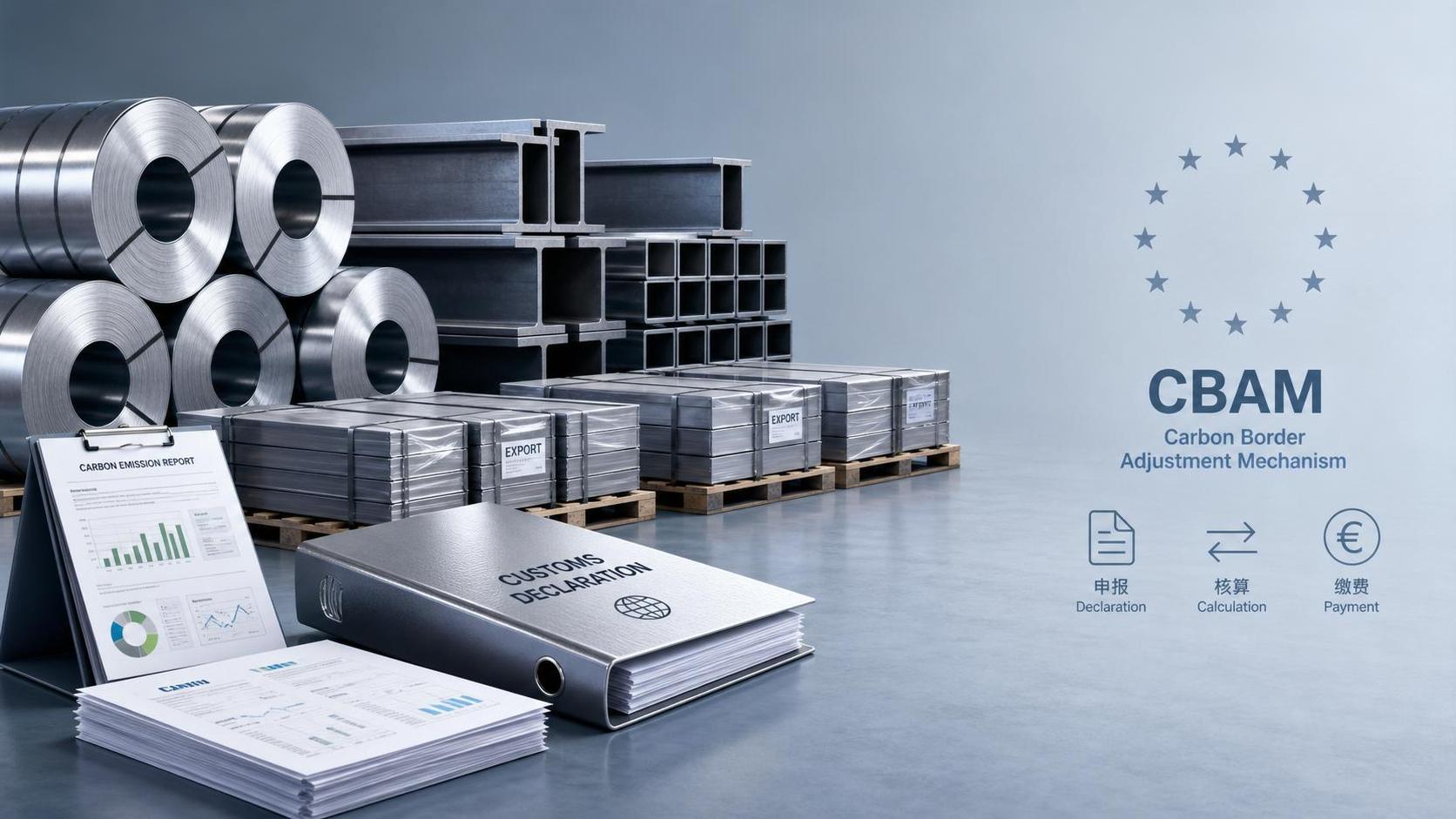
From July 17, 2026, the EU has moved the Carbon Border Adjustment Mechanism (CBAM) for steel products into a stage that requires both declaration and payment, bringing immediate compliance pressure to exporters of products such as hot-rolled coil, H-beams, and square tubes. For steel mills, profile exporters, overseas importers, and supply chain teams handling EU-bound shipments, the development matters because carbon data submission is now tied directly to customs clearance, cost control, and delivery coordination.
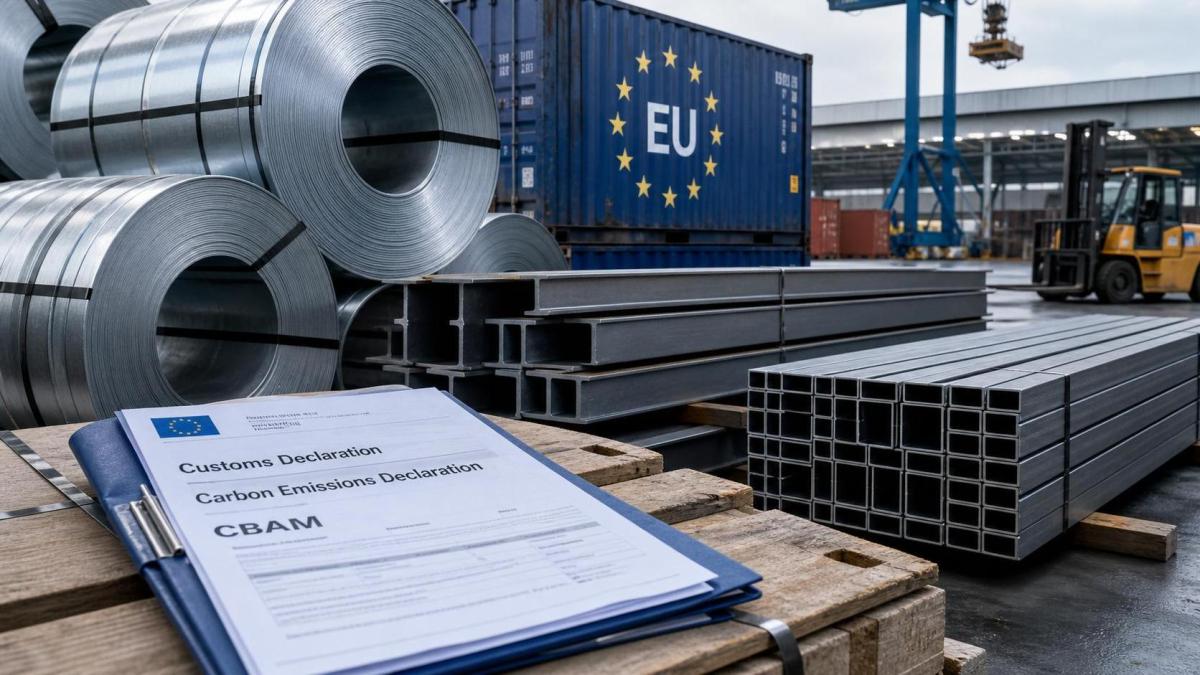
What Has Taken Effect in the Steel Trade
According to the provided information, the EU began the mandatory declaration and fee payment phase of CBAM for steel products on July 17, 2026. The scope mentioned includes steel products such as hot-rolled coil, H-beams, and square tubes.
Exporters of steel and steel profiles shipping to the EU must submit the embedded carbon emissions data for each batch through the CBAM Transitional Registry, together with a third-party verification report. If these materials are not provided, the reported risks include customs clearance delays and additional penalties.
Where the Pressure Will Appear First
Export transactions now depend on carbon documentation
From an industry perspective, direct exporters are likely to feel the impact first because each shipment now requires batch-level emissions reporting and supporting verification. The practical effect is not only regulatory filing, but also tighter control over shipment timing, document readiness, and coordination with EU-side buyers.
Import-side purchasing processes may become more rigid
Analysis shows that overseas importers will also be affected because procurement decisions for EU-bound steel can no longer focus only on price, specification, and delivery. Carbon data availability and document completeness may become part of the purchasing workflow, especially where customs timing and compliance exposure are sensitive.
Supply chain service providers face a coordination burden
Observably, logistics, documentation, and trade execution teams may need closer alignment with exporters and importers. The reason is straightforward: if emissions data and third-party verification are incomplete or delayed, the disruption may appear during customs processing rather than only at the contract stage.
Operational Priorities Companies Should Watch
Batch-level data readiness
What deserves closer attention is whether exporters can prepare embedded carbon emissions information at the shipment level in a form suitable for CBAM filing. The rule, as described in the provided information, is tied to each batch rather than a broad annual statement, which raises the importance of document discipline in daily operations.
Third-party verification timing
Companies should pay close attention to the timing and completeness of third-party verification reports. In practice, the issue is not only whether verification exists, but whether it is available in step with shipment schedules and customs procedures.
Buyer-seller communication on compliance responsibility
Analysis shows that exporters and EU importers will need clearer communication on who prepares, checks, and submits the required materials through the CBAM Transitional Registry. This is a business process issue as much as a regulatory one, because unclear handoffs can create delays even when the underlying product order is ready.
Risk planning for customs and delivery schedules
Firms involved in EU-bound steel trade should also watch the gap between policy obligation and day-to-day execution. Where filings or verification documents are missing, the stated risks include customs delays and additional penalties, so delivery planning, buffer time, and exception handling deserve practical review.
Why This Looks Like More Than a Short-Term Filing Change
In editorial observation, this development is better understood as a concrete operating signal rather than a routine paperwork update. The immediate fact is that declaration and payment requirements have taken effect for steel products, but the broader implication is that carbon reporting is becoming part of normal trade execution for EU-bound steel and profiles.
At the same time, it is still appropriate to treat some downstream effects as evolving rather than settled. The provided information confirms the compliance requirements and the risks of delay or penalties, but the full commercial impact on purchasing behavior, supplier selection, and supply chain rhythm still requires continued observation.
How the Market May Best Read This Stage
Based on the confirmed facts, the start of mandatory CBAM declaration and payment for steel marks a meaningful shift in how EU-bound shipments must be prepared and documented. For the industry, the immediate significance lies in the connection between carbon data, customs movement, and transaction execution.
It is more appropriate to understand this as a live compliance phase with operational consequences, rather than as a distant policy signal. The most rational reading at this point is that steel exporters, profile manufacturers, importers, and service partners need to track not only the rule itself, but also how reliably it can be implemented in real shipment workflows.
Basis of This Article and Ongoing Verification
This article is based on the user-provided news title, event date, and event summary. For developments of this kind, source categories typically relevant to verification may include official announcements, company disclosures, industry association updates, authoritative media reporting, and standard-setting or regulatory documents.
No specific official source link was provided in the input, so further verification remains necessary as the situation develops. Continued attention should focus on any subsequent official wording, implementation detail, and practical compliance clarification related to steel product declarations, fee payment, and document submission through the CBAM Transitional Registry.
By clicking 'Allow All', you agree to the storage of cookies on your device to enhance site navigation, analyze site usage and assist with our marketing efforts.
Leave a message and we'll get back to you soon.