
— News Center
EU CBAM Filing Starts for Steel Imports
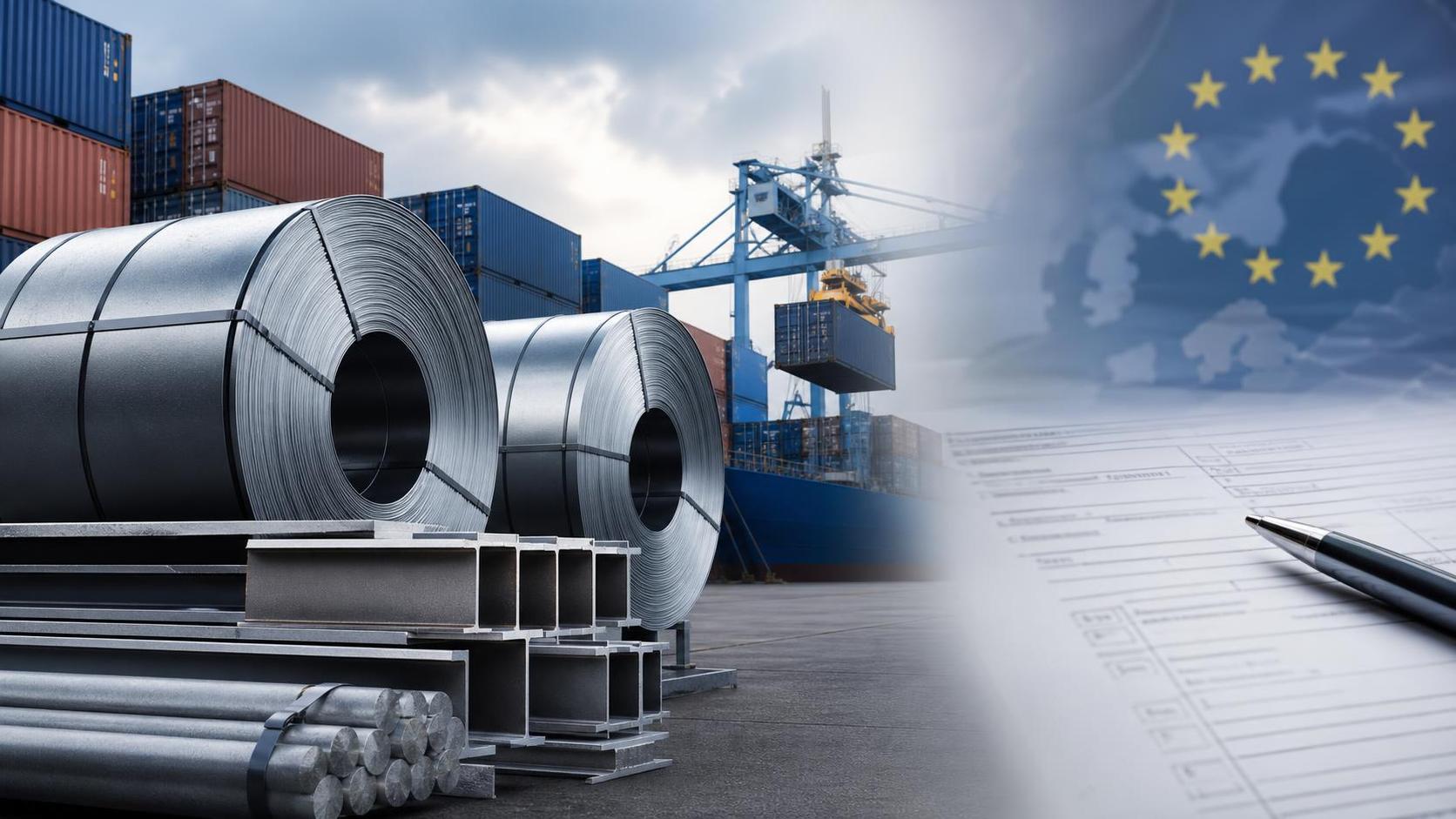
On August 1, 2026, the European Commission moved the steel segment of CBAM into its mandatory reporting phase for an initial group of imported products, including hot-rolled coil and H-beams. For importers dealing with supply from China and other third countries, the immediate issue is no longer policy interpretation alone but whether embedded carbon data and verified declarations can be prepared in time for customs-facing processes. That makes this development relevant not only to traders, but also to distributors, procurement teams, supply chain service providers, and manufacturers whose delivery schedules and cost calculations depend on smooth steel imports into the EU.
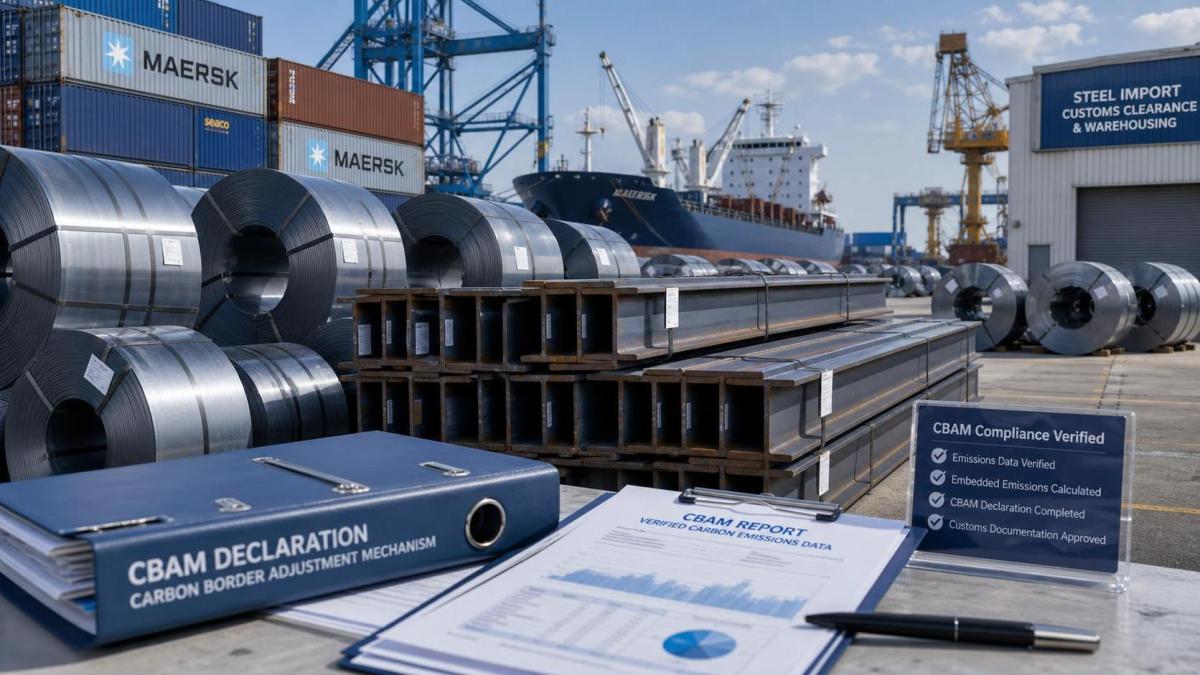
What Has Entered Mandatory Filing
According to the information provided, the European Commission formally activated the mandatory declaration stage of the Carbon Border Adjustment Mechanism for steel products on August 1, 2026. The first covered group includes major steel product categories such as hot-rolled steel coil and H-beams.
Importers are required to submit data on embedded carbon emissions for goods originating from third countries, including China, together with declarations verified by recognized verification bodies. The information provided also states that non-compliant filing may lead to customs clearance delays and additional guarantee requirements.
Where the Immediate Pressure May Appear
Import trading operations face a documentation threshold
From an industry perspective, direct trading companies are likely to feel the impact first because the filing obligation sits close to the import transaction itself. The pressure is likely to appear in shipment preparation, customs documentation readiness, and the timing of order execution. What deserves closer attention is whether transaction planning now has to account for the availability of emissions data and verified statements before cargo arrival.
Distributors may need to revisit purchasing rhythm and landed-cost calculations
For overseas distributors, the issue is practical rather than abstract. The provided information already indicates possible delays in customs clearance and additional guarantee requirements for non-compliance. Analysis shows that this can affect purchasing cadence, stock replenishment timing, and the way import costs are modeled for covered steel categories.
Supply chain service providers will be drawn into compliance execution
Observably, logistics coordinators, customs service providers, and related intermediaries may become more involved because they often help organize the flow of declarations and supporting documents. The operational focus is likely to shift toward document completeness, verification status, and communication between importer, supplier, and customs-facing teams.
Downstream users may need earlier confirmation on delivery reliability
Processors, fabricators, and end-use buyers that rely on imported hot-rolled coil or H-beams may not be the filer, but they can still be affected if customs timing becomes less predictable. Analysis shows that the main concern for these users is continuity of supply, especially where procurement plans assume fixed delivery windows or tightly scheduled projects.
What Companies Should Watch Now
Whether supplier-side emissions data can be delivered in usable form
The reporting requirement is tied to embedded carbon emissions data, so a key practical issue is whether upstream suppliers can provide the necessary information in a format the importer can actually use. Companies involved in covered steel products should pay attention to document readiness well before customs filing points.
The role of recognized verification bodies in transaction timing
The requirement for declarations verified by recognized verification bodies means compliance is not only a data-collection exercise. What deserves closer attention is the timing and coordination needed to obtain verified statements, since this may influence shipment scheduling and internal approval processes.
The difference between policy activation and smooth operational execution
Analysis shows that the start of a mandatory filing phase does not automatically mean every participant is equally prepared to execute it without friction. Companies should distinguish between the formal rule taking effect and the operational reality of collecting emissions data, validating it, and aligning it with customs workflows.
Customer communication and contingency planning around covered steel imports
For importers and distributors, the practical response is likely to involve clearer communication with customers on delivery timing, document dependency, and potential cost changes linked to non-compliance risk. Businesses handling hot-rolled coil and H-beams should also review whether their procurement and fulfillment plans allow for delays tied to filing gaps or added guarantee requirements.
Why This Looks Like More Than a Routine Filing Update
This section is an editorial observation. It is more appropriate to understand this as a concrete compliance step rather than a distant policy signal, because the information provided links the filing requirement directly to customs delay risk and added guarantee obligations. At the same time, it should not yet be overstated as a fully settled market outcome. Observably, the immediate meaning lies in execution pressure: the rule now matters at shipment level, document level, and cost-planning level for the covered steel categories.
Analysis also suggests this is both a short-term operational change and a longer-term signal for how carbon-related reporting will increasingly intersect with cross-border steel trade. The current stage still requires close watching because the practical effect on procurement rhythm and distribution efficiency will depend on how consistently market participants can meet the filing and verification requirements in live transactions.
How the Market May Best Read This Stage
For the steel trade linked to the EU market, this development is best read as an active compliance threshold now affecting selected imported products rather than as a theoretical policy milestone. The confirmed facts already show direct relevance to customs processing, guarantee requirements, procurement timing, and cost accounting. A neutral reading is that the most important consequence today is operational: companies exposed to hot-rolled coil and H-beam imports need to treat carbon-reporting readiness as part of normal trade execution, while the broader market impact still warrants continued observation.
Basis of This Article and What Still Needs Verification
This article is based on the user-provided news title, event date, and event summary concerning the August 1, 2026 start of the mandatory CBAM filing phase for selected steel imports. For reporting of this type, relevant source categories would typically include official announcements, company disclosures, industry association updates, authoritative media coverage, and standard-setting or compliance-related documents.
No specific official source link was provided in the input, so the exact official publication path still needs to be verified on an ongoing basis. Follow-up attention should remain on any further official wording, scope clarification for covered steel products, and implementation details that may affect documentation, verification, customs handling, and transaction planning.
By clicking 'Allow All', you agree to the storage of cookies on your device to enhance site navigation, analyze site usage and assist with our marketing efforts.
Leave a message and we'll get back to you soon.