
— News Center
US Probes Possible Hot-Rolled Coil Evasion via Third Countries
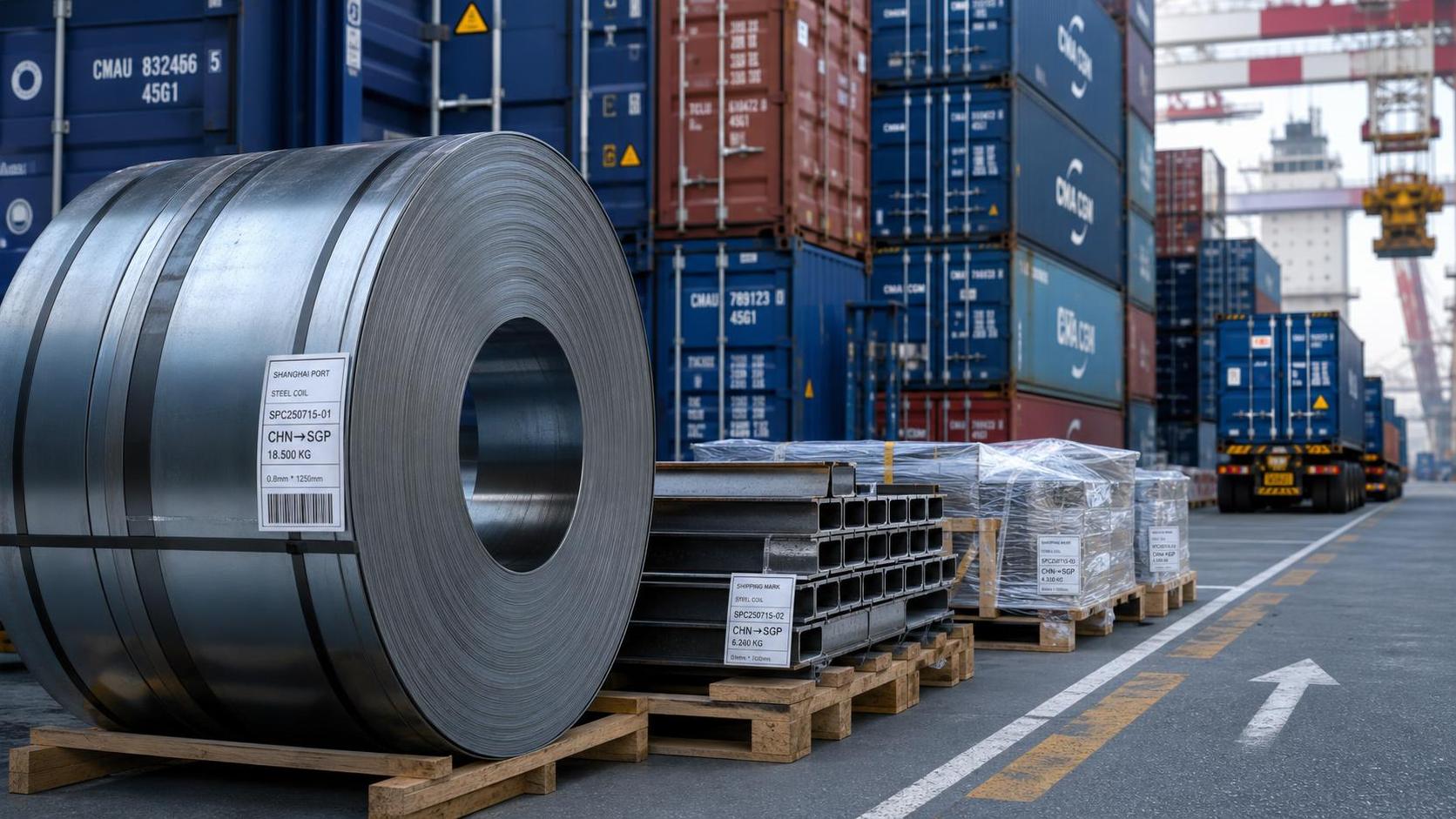
On August 1, 2026, the U.S. Department of Commerce opened an anti-circumvention investigation into whether hot-rolled steel coil from China may have been routed through third countries such as Vietnam, Mexico, and Turkey for processing or minor modification before entering the U.S. market. For distributors, importers, processors, and upstream material buyers tied to transshipment trade, the development matters because it puts customs compliance, supply chain traceability, and sourcing design under closer scrutiny.
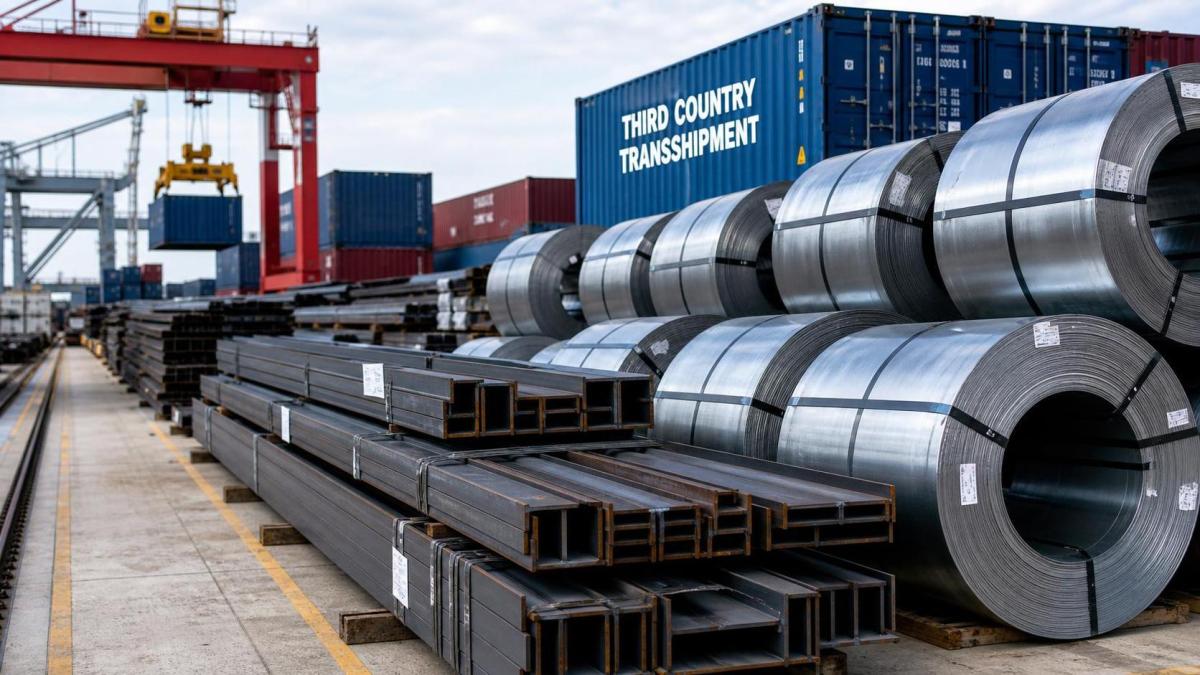
What the Investigation Covers
According to the information provided, the U.S. Department of Commerce formally initiated the case on August 1, 2026. The inquiry focuses on whether Chinese-origin hot-rolled steel coil was processed or simply altered in third countries, including Vietnam, Mexico, and Turkey, in a way that could avoid existing anti-dumping or countervailing duties. The stated area of impact includes customs clearance compliance for global distributors and importers, stricter traceability demands, and the need to reassess procurement routes. The summary also indicates that transshipment models involving upstream raw materials for steel sections require renewed review.
Where the Pressure May Appear First
Import compliance and customs-facing trade flows
From an industry perspective, importers and direct trading companies may feel the immediate effect because their customs declarations, supporting documentation, and origin-related records sit closest to the point of regulatory review. What deserves closer attention is whether existing document sets are sufficient to explain material origin, processing steps, and the commercial path used before shipment.
Procurement paths linked to upstream material sourcing
Raw material buyers and companies sourcing feedstock for steel sections may also be affected. Analysis shows that when procurement relies on third-country processing or re-export arrangements, the business issue is not only price or lead time but also whether the structure of the transaction can withstand closer traceability checks. That makes sourcing route design a more sensitive operational topic.
Distributors and channel operators managing multi-origin supply
For distributors and channel businesses, the issue may extend beyond a single shipment. Observably, portfolios that combine multiple origins or intermediate processing locations could face added review pressure in contract execution, customer documentation, and shipment planning. The practical concern is whether each leg of the supply chain can be clearly supported if customers or customs authorities ask for more detail.
Processors and service providers in cross-border supply chains
Processors, logistics coordinators, and other supply chain service providers may need to pay closer attention to how processing is described and evidenced. The information provided specifically points to simple modification and third-country processing as relevant to the investigation, so the distinction between substantive production activity and limited processing becomes an important area to monitor in business practice.
What Companies Should Watch Now
Follow official wording, not assumptions
Companies involved in hot-rolled coil trade should closely track how the official scope and language develop after the case initiation. Analysis shows that early market reactions often move faster than formal interpretations, so businesses should separate confirmed procedural developments from commercial assumptions made in advance.
Recheck origin and processing records
For transactions touching Vietnam, Mexico, Turkey, or similar third-country routes, a practical priority is to review whether supplier qualifications, production records, shipping documents, and processing descriptions align with the actual flow of goods. What deserves closer attention is whether the available paperwork supports a consistent origin narrative across procurement, customs, and customer communication.
Review sourcing structures tied to transshipment exposure
The case summary specifically points to a need to reassess transshipment trade models involving upstream inputs for steel sections. That means companies should examine whether current sourcing arrangements depend on simple conversion or limited processing in third countries and whether those arrangements remain operationally workable under a stricter compliance lens.
Prepare for customer and delivery-side questions
Importers, distributors, and service providers may need clearer internal responses for customers, brokers, and counterparties. Observably, delivery planning, contract communication, and supporting document requests can become more demanding even before any final outcome is known. Businesses should therefore focus on response readiness rather than waiting for commercial friction to appear first.
Why This Looks More Like a Signal Than a Final Outcome
This section is analysis. It is more appropriate to understand this development as an active regulatory signal rather than a concluded trade result. The confirmed fact is that an investigation has been opened; the final implications are not established by the information provided. Even so, the case already signals that third-country processing and transshipment structures in steel trade are likely to receive closer attention, especially where origin, processing intensity, and duty exposure intersect. For the industry, the reason to keep watching is not only the investigation itself but also how it may shape day-to-day expectations around traceability and procurement design.
How the Market Should Read the Development
At this stage, the industry significance lies less in a confirmed trade outcome and more in the compliance and sourcing questions now moving to the foreground. For companies exposed to hot-rolled coil flows, third-country processing routes, or upstream supply for steel sections, the more reasonable conclusion is that this is a development requiring active monitoring and internal review. It should be treated neither as a routine headline nor as a settled result, but as a material policy signal that could affect trade execution if scrutiny increases further.
Basis of This Article and What Still Needs Verification
This article is based on the user-provided news title, event date, and event summary. For developments of this kind, relevant source categories typically include official government notices, company disclosures, industry association updates, authoritative media reporting, and trade or standards-related documents. A specific official source link was not provided in the input, so the precise documentary basis still needs ongoing verification. Continued attention should be paid to any later official wording, scope clarification, and practical compliance implications for customs clearance, traceability, and sourcing routes.
By clicking 'Allow All', you agree to the storage of cookies on your device to enhance site navigation, analyze site usage and assist with our marketing efforts.
Leave a message and we'll get back to you soon.