
— News Center
EU CBAM Steel Rules Extend to Profile Exporters
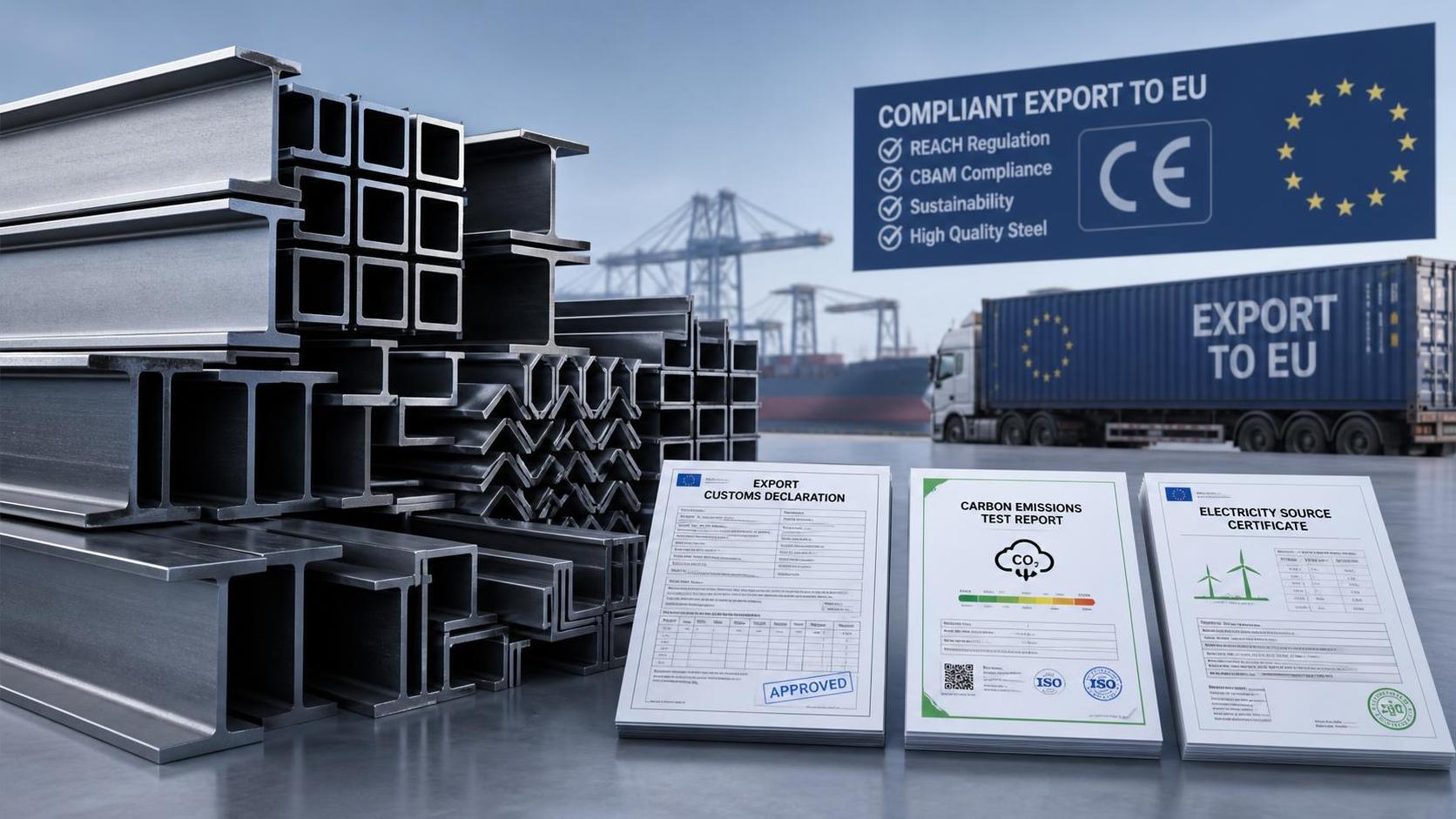
On August 8, 2026, the European Commission released Implementing Regulation (EU) 2026/1789 for CBAM-covered steel products, clarifying that structural steel categories including hot-rolled sections and cold-formed profiles will fall within transitional oversight. From October 1, 2026, Chinese suppliers exporting these profile products to the EU will need to provide third-party verified embedded emissions data and proof of electricity source, making this a practical compliance issue for exporters, distributors, customs preparation, and procurement cost planning.
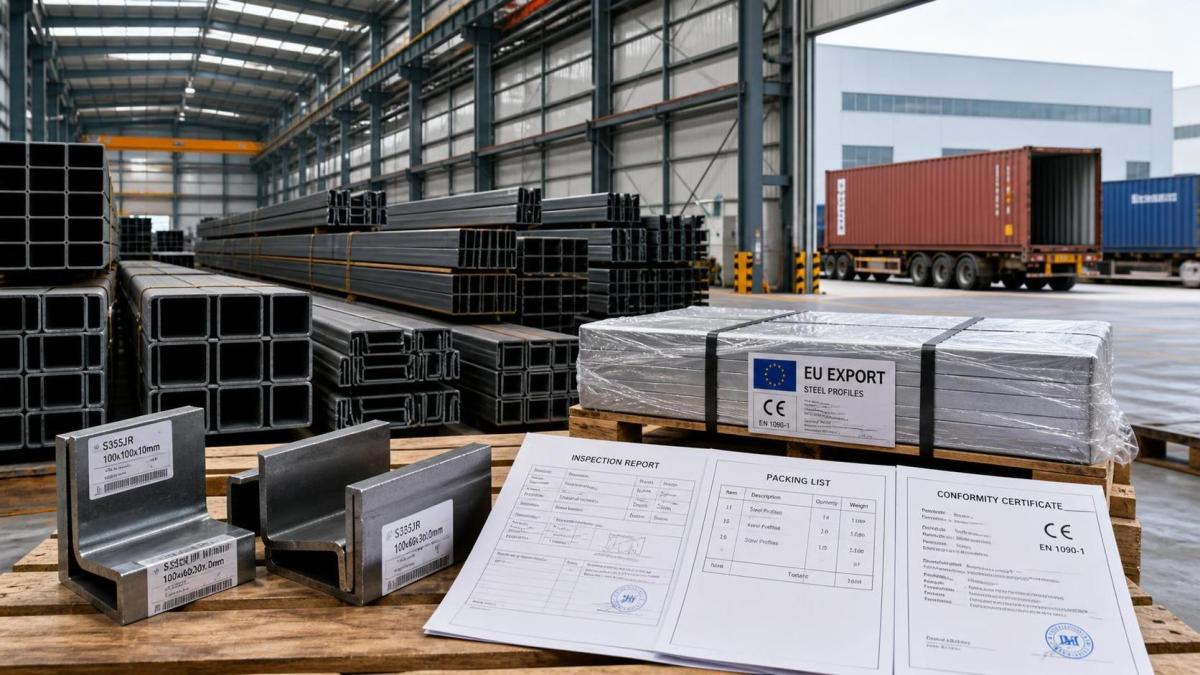
What the New Rule Explicitly Covers
The confirmed change is narrowly defined by the published measure and its implementation date. The regulation identifies hot-rolled steel sections, cold-formed profiles, and other structural steel products as part of the CBAM transitional compliance scope. It also sets a reporting-related requirement from October 1, 2026 for Chinese suppliers exporting profile products to the EU: embedded carbon emissions data must be verified by an accredited third party, and documentation on the source of electricity costs must also be submitted.
The event date provided for this development is August 8, 2026. The rule referenced is the European Commission's CBAM steel product implementing measure numbered 2026/1789. The direct effect described in the source information is on customs compliance preparation by overseas distributors and on procurement cost calculation.
Where the Pressure Is Likely to Appear First
Export transactions now depend more heavily on emissions documentation
From an industry perspective, exporters of covered profile products are likely to face the earliest impact because shipment readiness will no longer depend only on commercial and product documentation. The addition of third-party verified embedded emissions data and proof of electricity source introduces a new documentation layer that may affect quotation timing, order confirmation, and pre-shipment file preparation.
Distributors and import-side operators will need stronger clearance readiness
Analysis shows that overseas distributors and other channel operators may be affected at the customs and handover stage. The source information already points to customs compliance preparation as a direct area of impact. In practice, these parties will need to pay closer attention to whether supplier files are complete, whether supporting evidence is consistent across documents, and whether procurement decisions properly reflect the added compliance burden.
Procurement teams may need to revisit supplier comparison methods
What deserves closer attention is the purchasing side of the chain. Where profile products are sourced for EU-bound trade, buyers may need to compare suppliers not only on price and delivery but also on their ability to provide verified embedded emissions data and electricity-source proof. This does not yet confirm a final market outcome, but it does indicate that compliance capability may become a more visible factor in supplier selection and landed-cost assessment.
Verification and testing-related service demand may become more operational
Observably, accredited third-party verification becomes part of the practical path to compliance under the stated requirement. For companies involved in testing, verification, or compliance support, the relevant change is not a generic sustainability trend but a document-backed need tied to covered steel exports. The immediate focus is likely to be the readiness and usability of verification outputs within trade documentation workflows.
What Companies Should Watch in the Coming Weeks
Check whether covered products in current orders match the clarified scope
Companies handling hot-rolled sections, cold-formed profiles, or related structural steel products should first review whether active or upcoming EU-bound shipments fall within the clarified CBAM transitional scope. This is especially relevant for businesses that previously treated such products as outside the immediate reporting focus.
Review whether supplier files can support October shipments
Analysis shows that the practical issue is not only whether data exists, but whether it is in a form acceptable for trade use. Firms should pay attention to whether suppliers can provide accredited third-party verification for embedded emissions and whether proof relating to electricity source is available in a consistent, reviewable format.
Revisit costing assumptions in EU-directed procurement
The source information specifically notes an impact on procurement cost accounting. That makes cost models worth rechecking now, especially where procurement, sales, and logistics teams have been using older assumptions that did not yet include this documentation burden. At this stage, it is more appropriate to understand this as a compliance cost and process variable rather than a confirmed price outcome.
Monitor how buyers and trade documents begin to reflect the rule
Because the provided information does not include full downstream execution details, companies should not assume a settled market practice yet. What deserves closer attention is whether purchase specifications, contract documents, customs preparation files, and supplier qualification requests begin to incorporate the newly clarified CBAM-related evidence requirements.
Why This Looks Like an Execution Signal
Observably, this development is more than a general policy discussion because it identifies covered steel product categories and ties them to a near-term filing expectation from October 1, 2026. That gives the market a concrete execution signal. At the same time, analysis shows that the operational meaning of the rule will still depend on how consistently the required verification and electricity-source proof are interpreted in actual trade processes.
It is more appropriate to understand this as a rule now moving into implementable business practice, rather than as a fully settled end state. For that reason, industry attention is likely to remain focused on the detailed compliance pathway, documentation handling, and feedback from early transactions.
How This Update Is Best Understood Now
In practical terms, the August 8 measure matters because it turns CBAM coverage for certain structural steel profiles into a defined compliance issue for EU-bound exports. The immediate significance is not a broad forecast about the steel market, but a narrower change in what exporters, distributors, and procurement teams may need to prepare before shipment and clearance.
Current observation suggests this is best read as a landed rule change with clear implementation relevance, while some aspects of market response and execution practice still require continued watching. For companies exposed to EU trade in covered profile products, document readiness and supplier compliance capability now deserve closer attention than general policy commentary.
Basis of This Article and What Still Needs Verification
This article is based on the user-provided news title, event date, and event summary. For developments of this type, relevant source categories typically include official notices, releases by regulatory authorities, customs or trade administration updates, industry association communications, standard-setting documents, and reporting by established trade media.
A specific official source link was not provided in the input, so the underlying publication path should still be independently verified. Observably, follow-up attention should remain on implementing details, verification practice, documentation expectations, procurement document changes, market feedback, and how affected companies execute the requirement in real transactions.
By clicking 'Allow All', you agree to the storage of cookies on your device to enhance site navigation, analyze site usage and assist with our marketing efforts.
Leave a message and we'll get back to you soon.