
— News Center
EU CBAM Steel Transition Rule Takes Effect for Profiles
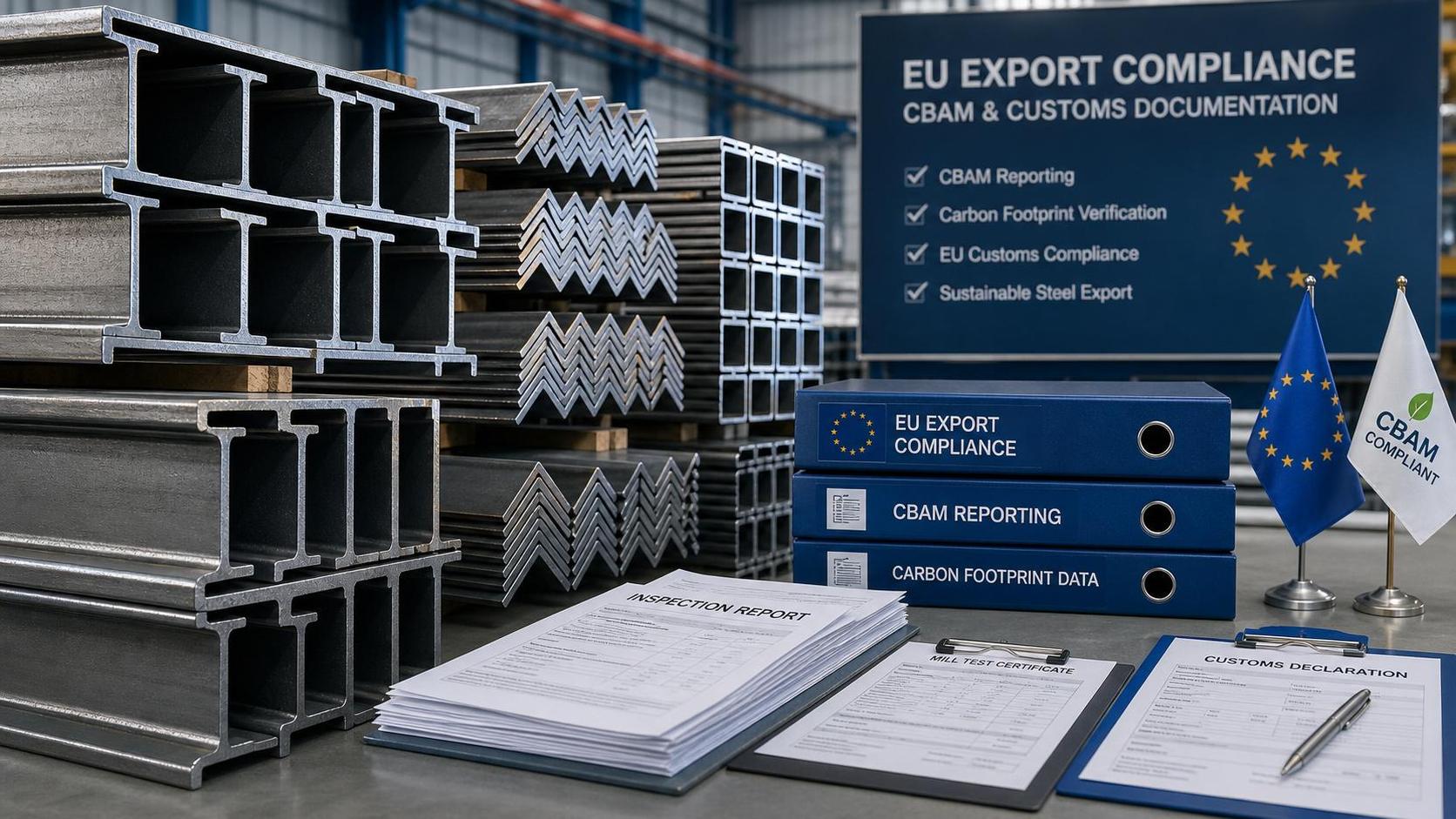
On July 13, 2026, the European Commission issued a delegated regulation setting out transitional implementation rules for CBAM covering certain steel products. For exporters of hot-rolled steel sections, H-beams, angle bars, and similar carbon steel profiles into the EU, the change matters because it turns carbon reporting into a concrete filing requirement tied to customs compliance, supplier eligibility, and quarterly documentation workflows from October 1, 2026.
What the new filing requirement now covers
The published measure is the Commission Delegated Regulation (EU) 2026/XXX on the transitional implementation details for CBAM steel products. According to the information provided, from October 1, 2026, all third-country producers exporting covered carbon steel profiles to the EU, including Chinese suppliers, must submit quarterly declarations of embedded carbon emissions through the CBAM portal.
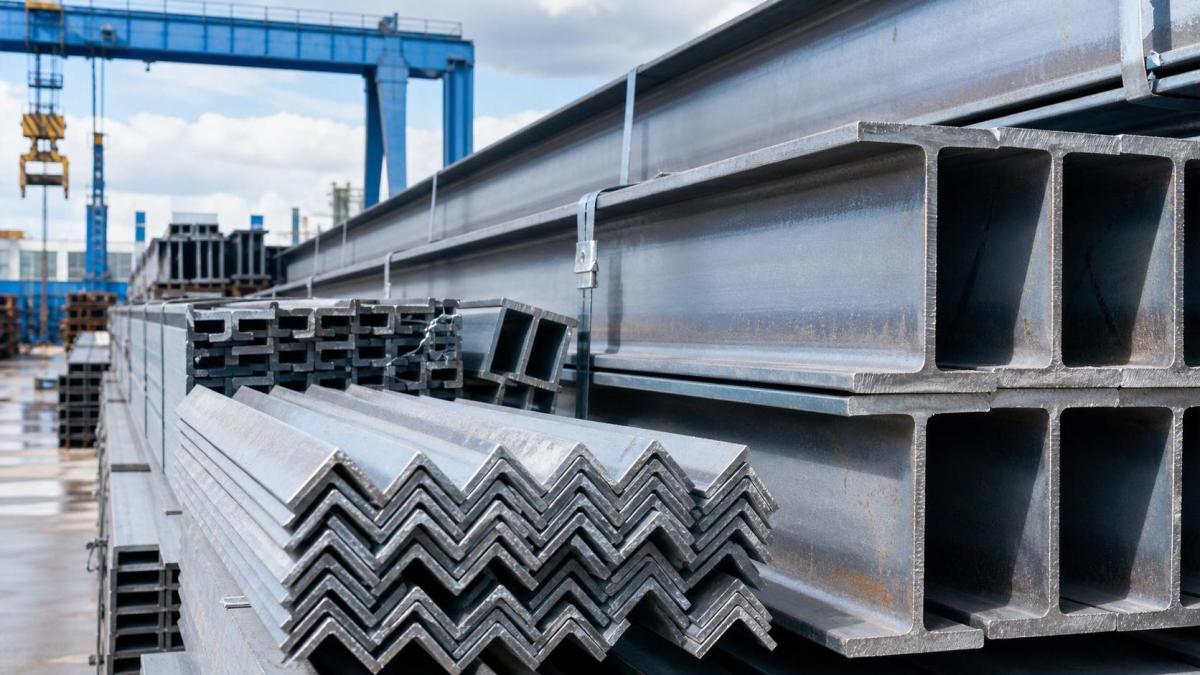
The requirement applies to products identified in the provided information as hot-rolled steel sections, H-beams, angle bars, and other carbon steel profiles. The filing must be accompanied by a verification report issued by an accredited third party. The information provided also states that the rule will directly affect customs compliance costs and market access eligibility for buyers.
Where the pressure will show up across transactions and delivery
Export suppliers face a new documentation threshold
From an industry perspective, exporters are likely to feel the immediate impact because the rule links product shipment to emissions disclosure and third-party verification. The practical pressure point is no longer limited to product specification or trade paperwork; it now extends to the ability to prepare quarterly embedded-emissions declarations and support them with acceptable verification documents.
What deserves closer attention is whether existing export documentation sets are ready to support this process. For suppliers of covered profiles, compliance attention will likely move toward emissions data preparation, report consistency, and document readiness for EU-facing transactions.
EU buyers and import-side procurement teams may tighten supplier screening
Analysis shows that procurement and import teams will be affected because customs clearance eligibility is explicitly connected to the new filing requirement. Where a supplier cannot provide the necessary emissions declaration and accredited verification report, the commercial risk may shift quickly from a technical issue to a sourcing and delivery issue.
In practical terms, buyers of covered steel profiles may need to review supplier qualification standards, contract document requests, and shipment readiness checks. The rule therefore has implications not only for customs handling but also for supplier onboarding and purchasing decisions.
Verification and compliance service providers gain a more operational role
Observably, the requirement for an accredited third-party verification report gives verification-related service providers a more direct place in the export chain for covered products. The effect is not simply administrative. It may influence when data collection starts, how compliance files are assembled, and whether shipment schedules can proceed without additional review.
For companies involved in trade support, certification coordination, or compliance document handling, the rule signals that carbon-related records will become part of routine transaction support for affected steel exports.
What companies should check before the October filing date
Whether covered products are already mapped to the new requirement
Analysis shows that companies dealing in hot-rolled sections, H-beams, angle bars, and similar carbon steel profiles should first confirm whether their export portfolio falls within the scope described in the provided information. That is a basic but necessary step because filing obligations, verification needs, and buyer expectations will likely follow product scope.
Whether internal records can support quarterly emissions declarations
What deserves closer attention is document readiness. The rule described in the provided information requires quarterly embedded-emissions declarations through the CBAM portal. Companies should therefore pay attention to whether their current internal records, shipment files, and supporting technical materials can be organized into a repeatable quarterly reporting process.
Whether third-party verification can be arranged in time
Observably, the added requirement for an accredited third-party verification report creates a timing issue as much as a compliance issue. The provided information does not set out detailed operational steps, so it would be premature to assume a settled execution pattern. Still, companies should monitor how verification scheduling, report issuance, and document acceptance may affect order confirmation and delivery timing.
Whether procurement and contract terms need adjustment
From an industry perspective, affected transactions may require closer alignment between exporters and buyers on compliance responsibilities. Companies should pay attention to whether procurement files, supplier qualification materials, or trade documents need to reflect the new carbon-reporting and verification requirement, especially where customs clearance eligibility is commercially sensitive.
Why this reads as an execution signal rather than a remote policy discussion
Analysis shows that this development is more appropriately understood as a concrete implementation signal for affected steel trade rather than a broad policy statement. The reason is straightforward: the measure identifies a start date, names covered product types in the provided information, requires quarterly portal submissions, and adds a third-party verification layer.
At the same time, this should not be treated as a fully settled end-state for market practice. Observably, the industry still needs to watch how reporting expectations, document review standards, and transaction-level acceptance will be applied in practice. That is especially relevant for exporters, procurement teams, and compliance service providers working across multiple shipments and supplier relationships.
How the market is likely to read this change for now
From an industry perspective, the immediate meaning of this update is not simply that CBAM remains under discussion, but that carbon reporting for certain steel profiles is moving into an operational compliance stage for EU-bound trade. The practical consequence is that data, verification, and customs-related readiness may become part of supplier access conditions for the affected products.
It is more appropriate to understand this as a landed rule change with near-term execution consequences, while still recognizing that detailed market practice and enforcement interpretation require continued observation. That makes this a compliance and procurement issue as much as a regulatory one.
Basis of this article and points still requiring verification
This article is based on the user-provided news title, event date, and event summary. For developments of this kind, commonly relevant source types include official announcements, releases from regulatory authorities, customs or trade administration information, industry association updates, standard-setting documents, and reporting by authoritative media.
No specific official source link was provided in the input, so the exact official publication link still needs to be checked on an ongoing basis. Further verification should also continue around implementation details, verification practice, reporting interpretation, changes in tender or procurement documents, industry feedback, and how affected companies execute the requirement in actual export transactions.
By clicking 'Allow All', you agree to the storage of cookies on your device to enhance site navigation, analyze site usage and assist with our marketing efforts.
Leave a message and we'll get back to you soon.