
— News Center
US Starts HRC Dumping Review on China
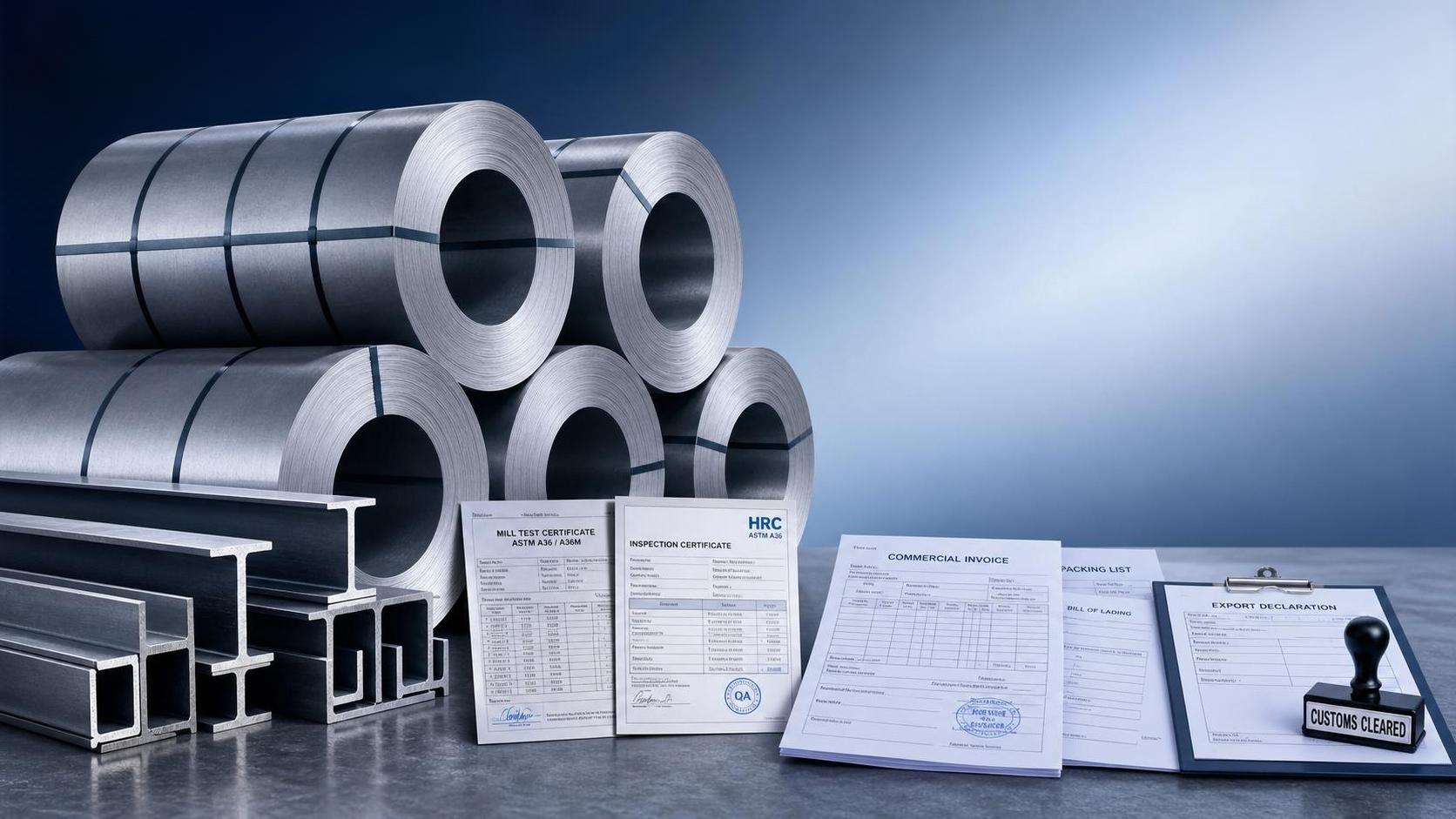
On July 12, 2026, the U.S. Department of Commerce announced a new review process covering hot-rolled coil (HRC) from China, including the first Sunset Review of the anti-dumping duty order and a Factual Review tied to 2025 export data. For companies involved in steel exports to the United States, downstream structural products, certification work around ASTM A656 and A1011, and CBP customs filings, this development deserves close attention because it may shape the compliance and tariff reference framework applied over the next five years.
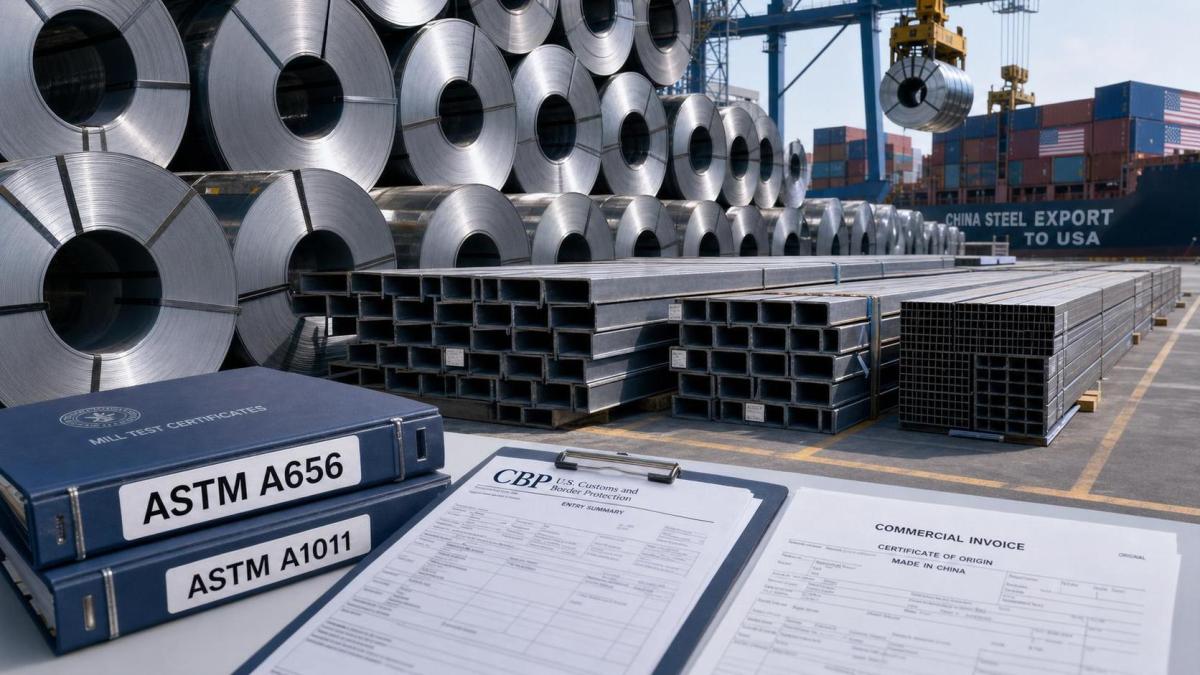
What the DOC Has Formally Announced
According to the information provided, the U.S. Department of Commerce (DOC) formally announced on July 12, 2026, that, following an application from the domestic industry, it had initiated the first Sunset Review of the anti-dumping duty order on hot-rolled coil (HRC) originating in China, together with a Factual Review. The review covers 2025 export data. The provided information also states that the review will directly affect the compliance access conditions and tariff application benchmarks for downstream products exported to the United States, including sections and structural steel, with particular relevance to the ASTM A656 and ASTM A1011 certification chain and CBP customs declaration requirements.
Where the Pressure May Appear Across the Supply Chain
Export-facing steel suppliers and traders
From an industry perspective, the most direct exposure sits with companies shipping HRC-related or downstream steel products into the U.S. market. The reason is straightforward: the review concerns the anti-dumping framework itself and uses 2025 export data as part of the factual basis. The business impact may show up in product classification, tariff treatment references, customer qualification checks, and document consistency linked to U.S. entry procedures.
Processors serving structural and section steel demand
Observably, manufacturers producing sections, structural steel, or other downstream products connected to HRC may also face operational effects. The provided information indicates that future compliance access to the U.S. market could be influenced, which means processors should pay attention to how product specifications, supporting technical files, and export declarations align with applicable standards and customs requirements.
Certification and customs service participants
What deserves closer attention is the role of certification and filing intermediaries. Because the information specifically references the ASTM A656 and A1011 certification chain and CBP declaration requirements, service providers involved in documentation review, product standard matching, and customs submission may need to watch for any change in how evidence, descriptions, or compliance records are expected to be presented in practice.
U.S.-bound buyers and sourcing teams
For procurement teams sourcing from China for U.S.-bound projects or inventories, the issue is not limited to price. Analysis shows that purchasing decisions may need to account for product eligibility, certification continuity, and customs documentation readiness. Even where supply arrangements remain unchanged, sourcing teams may need to reassess whether the existing paperwork chain is robust enough for a more closely watched review environment.
Practical Points Companies Should Track Now
Watch the official wording, not just the headline
Analysis shows that the immediate business value lies in the precise scope and language used in subsequent official statements. Companies should distinguish between the existence of the review as a confirmed fact and any later procedural detail that may affect execution, timing, or evidentiary expectations. Internal teams should avoid treating early signals as final operating rules.
Recheck standard-linked product files
Because ASTM A656 and A1011 are specifically mentioned in the provided information, exporters, processors, and quality teams should review whether product descriptions, certification records, and supporting technical documents are internally consistent across sales, production, and customs-facing materials. This is a practical issue, not a theoretical one, because misalignment in the certification chain can create downstream friction in trade execution.
Stress-test CBP declaration readiness
For companies already shipping to the United States, CBP filing readiness deserves specific review. What deserves closer attention is whether customs descriptions, supporting documents, and product identity records can be matched cleanly if scrutiny increases. This is especially relevant where multiple parties share responsibility for classification, filing, and handoff between supplier, trader, and broker.
Prepare customer and supplier communication lines
Observably, this type of review can create uncertainty before it creates a final outcome. Companies should therefore prepare a clear communication path with U.S. customers, upstream suppliers, and service partners so that requests for supporting materials, standard references, or shipment-related clarification can be handled without delay. The focus should be on documentation discipline and delivery planning rather than broad commercial messaging.
Why This Looks More Like a Signal Than a Final Outcome
Analysis shows that this development is best understood as an active policy and compliance signal rather than a completed market result. The confirmed fact is the launch of the review process. The eventual operational effect will depend on how the review proceeds and how market participants respond in documentation, certification handling, and customs execution. For that reason, the steel trade should continue to monitor follow-up statements instead of assuming that all consequences are already fixed.
From an industry perspective, the importance of this case lies in its overlap between trade remedy procedure and day-to-day export operations. The reference to downstream products, ASTM-linked certification, and CBP declarations suggests that the practical impact may extend beyond raw material producers and into the broader chain of processors, traders, compliance teams, and U.S.-facing buyers.
How the Industry May Best Read This Development
At this stage, it is more appropriate to understand the July 12, 2026 announcement as a development that requires continued observation, disciplined documentation review, and closer coordination across export-related functions. The information provided supports the view that the issue matters for future U.S. market access and tariff reference treatment, but it does not by itself establish a final business outcome. A measured reading is therefore more useful than a dramatic one.
Basis of This Article and What Still Needs Verification
This article is based on the user-provided news title, event date, and event summary regarding the U.S. Department of Commerce review involving Chinese-origin HRC. For this type of industry development, commonly relevant source categories may include official government announcements, company disclosures, industry association updates, authoritative media coverage, customs-related notices, and standard-setting organization documents. The specific official source link was not provided in the input, so further verification remains necessary. Continued attention should be paid to any follow-up DOC wording, review-related procedural updates, and practical guidance affecting ASTM A656/A1011 documentation and CBP declaration requirements.
By clicking 'Allow All', you agree to the storage of cookies on your device to enhance site navigation, analyze site usage and assist with our marketing efforts.
Leave a message and we'll get back to you soon.