
— News Center
EU CBAM Transition Rules Tighten Carbon Filing for Steel Profiles
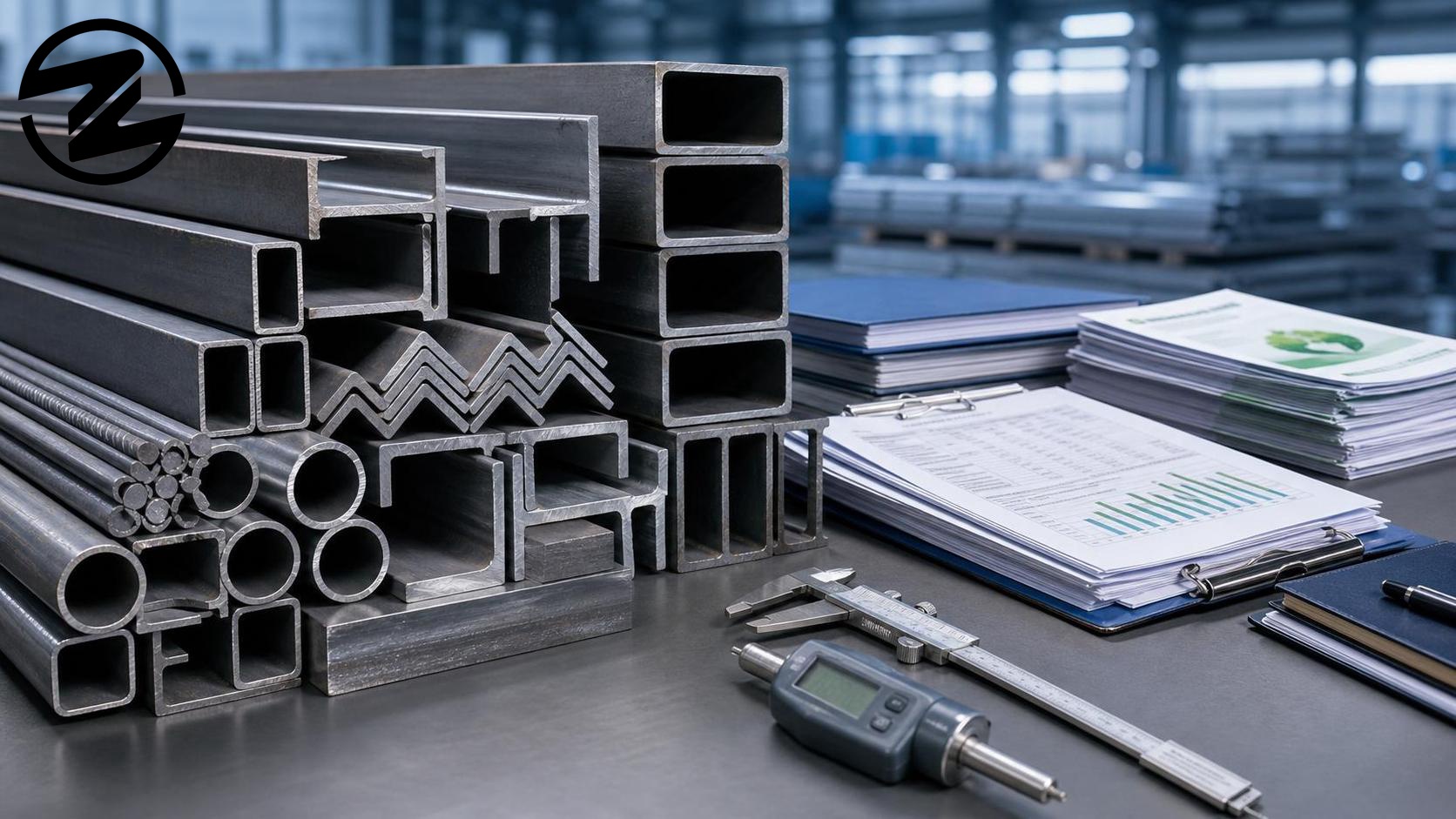
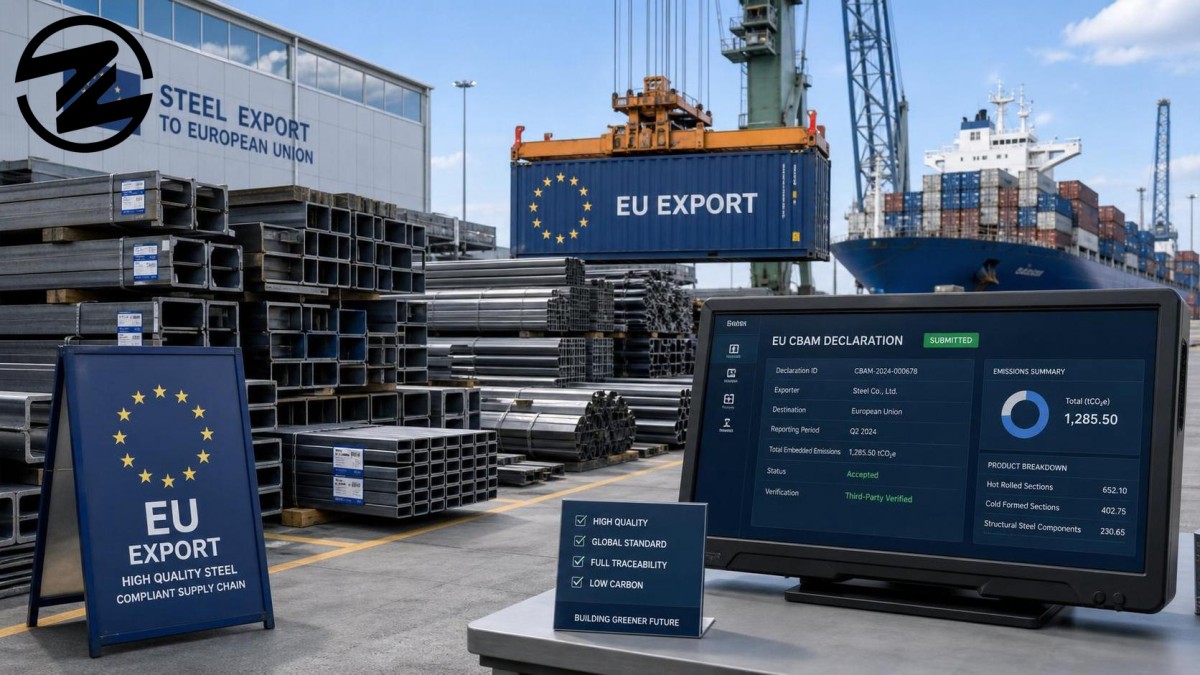
On July 5, 2026, the European Commission issued transition guidance for CBAM covering steel products, setting a clearer compliance path for exporters shipping certain steel profiles into the EU market. For suppliers of hot-rolled sections, cold-formed profiles, and structural steel, the immediate point of attention is no longer only product movement but whether certified embedded carbon data can be filed through the EU-MRV system before the October 1, 2026 requirement takes effect. This matters because the change reaches beyond reporting itself and into customs timing, documentation readiness, and transaction costs for exporters and their supply-chain partners.
What the new transition guidance confirms
The confirmed facts are limited but commercially important. The European Commission formally released the CBAM steel product transition implementation guidance on July 5, 2026. The guidance states that from October 1, 2026, all hot-rolled steel sections, cold-formed profiles, and structural steel exported to the EU must submit certified embedded carbon emissions data through the EU-MRV system. According to the provided event summary, this requirement directly affects customs clearance timing and compliance costs for Chinese profile exporters, and companies that do not meet the requirement may face delayed release or higher third-party verification expenses.
Where the rule change may be felt first
Export transactions may face a new pre-shipment documentation threshold
For companies directly exporting relevant steel products to the EU, the main exposure is practical: shipment readiness is now tied more closely to carbon data readiness. From an industry perspective, what deserves closer attention is that the compliance step sits close to customs handling and document acceptance, which means export teams need to pay attention not only to product specifications and commercial paperwork, but also to whether certified embedded emissions information is available in time for filing.
Manufacturing and processing suppliers may be pulled into data preparation
Processors and manufacturers producing the covered profiles may also be affected because the reporting obligation depends on emissions information tied to the exported products. Analysis shows that the operational pressure may appear upstream, where product-level data collection, internal review, and coordination with certification-related parties become part of delivery preparation. Even where the exporter is the party shipping to the EU, production-side documentation may become more relevant to order execution.
Compliance and verification service providers may see demand shift toward timing and accuracy
Certification-related firms and testing or verification service providers are likely to become more involved in export workflows for covered steel products. The event summary specifically points to certified data and to the possibility of higher third-party verification costs for non-compliant companies. Observably, this puts more weight on the timing, completeness, and acceptance of supporting compliance materials rather than on routine paperwork alone.
Buyers and supply-chain coordinators may need to watch delivery risk more closely
Procurement teams, traders, and supply-chain service providers connected to EU-bound steel profile orders may need to track whether sellers can meet the new filing requirement without affecting dispatch or clearance. The practical concern is not only cost, but whether contract performance and delivery windows remain workable when carbon-data submission becomes part of the export process.
What companies should watch before the October filing requirement
Review whether covered product lines are exposed
Companies handling hot-rolled steel sections, cold-formed profiles, or structural steel for the EU market should first identify whether the affected product categories are part of current or pending export business. This is a narrow but necessary starting point because the requirement is product-linked and time-bound.
Prepare carbon documentation as part of shipment readiness
Analysis shows that a practical adjustment may be needed in document preparation. Businesses should pay close attention to whether embedded carbon data can be assembled, reviewed, and certified in time for submission through the EU-MRV system. Where execution details remain unspecified in the input, it is more appropriate to treat this as a compliance watchpoint rather than assume a settled operating model.
Track cost and clearance implications in commercial planning
The provided information already indicates possible impacts on customs timing and compliance cost. For exporters and traders, this means order planning, delivery scheduling, and trade terms may require closer review. What deserves closer attention is whether missing or incomplete data could create delay risk at the clearance stage or increase reliance on third-party verification.
Keep checking official wording and downstream document changes
Because the input does not provide detailed enforcement procedures beyond the guidance release and filing requirement, companies should continue monitoring how the rule is reflected in operational documents, buyer requirements, and compliance review practices. This is especially relevant for teams handling export documentation, tender materials, technical files, and supplier qualification records.
How this development is best understood at this stage
Observably, this update is more than a policy signal in principle because it includes a defined start date and a specified reporting route through the EU-MRV system. At the same time, analysis shows it should not yet be overstated as a fully settled end-state for every operational detail, since the provided information does not describe full enforcement procedures, verification methods, or market responses. The more grounded reading is that this is a concrete execution signal: companies with relevant EU-bound steel profile business now have a shorter window to align reporting preparation with shipment and clearance processes.
Why the market is likely to keep watching implementation details
This development is best read as an applied compliance change for covered steel exports rather than as a general policy discussion. Its significance lies in linking carbon reporting to real trade execution, especially customs timing and compliance cost exposure. A neutral conclusion, based only on the provided information, is that the guidance creates a clearer near-term obligation for affected exporters while leaving room for continued observation on how certification practice, filing expectations, and business-side responses will develop.
About the basis of this article
This article is generated from the user-provided news title, event date, and event summary. For developments of this type, relevant source categories usually include official notices, releases from regulatory bodies, customs or trade administration updates, industry association communications, standard-setting documents, and reporting by established trade or industry media. A specific official source link was not provided in the input, so the exact source document link still needs to be verified. Further observation is also needed on later implementation details, certification interpretation, changes in tender or trade documents, industry feedback, and how companies carry out compliance in practice.
By clicking 'Allow All', you agree to the storage of cookies on your device to enhance site navigation, analyze site usage and assist with our marketing efforts.
Leave a message and we'll get back to you soon.