
— News Center
EU Tightens REACH BaP Limit for Steel Coatings
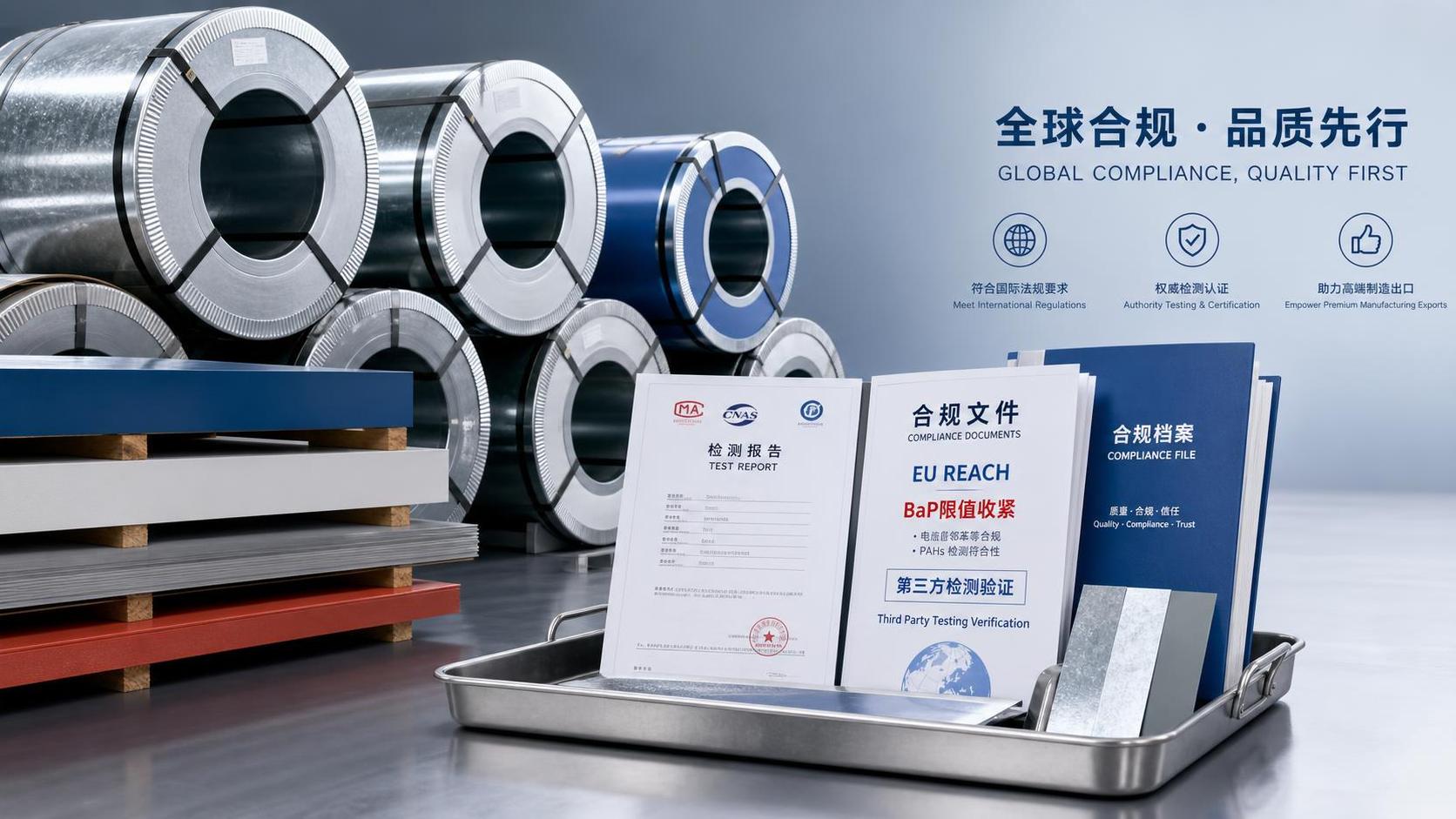
On July 25, 2026, the European Commission issued Regulation (EU) 2026/1389, tightening the REACH limit for benzo[a]pyrene (BaP) in steel surface coatings and linking that change to mandatory compliance documentation for imported steel products from October 1, 2026. For exporters, processors, buyers, testing providers, and customs-facing supply chain teams, this is not just a technical specification update; it directly affects coating control, verification workflows, and shipment documentation that may influence market access and delivery readiness.
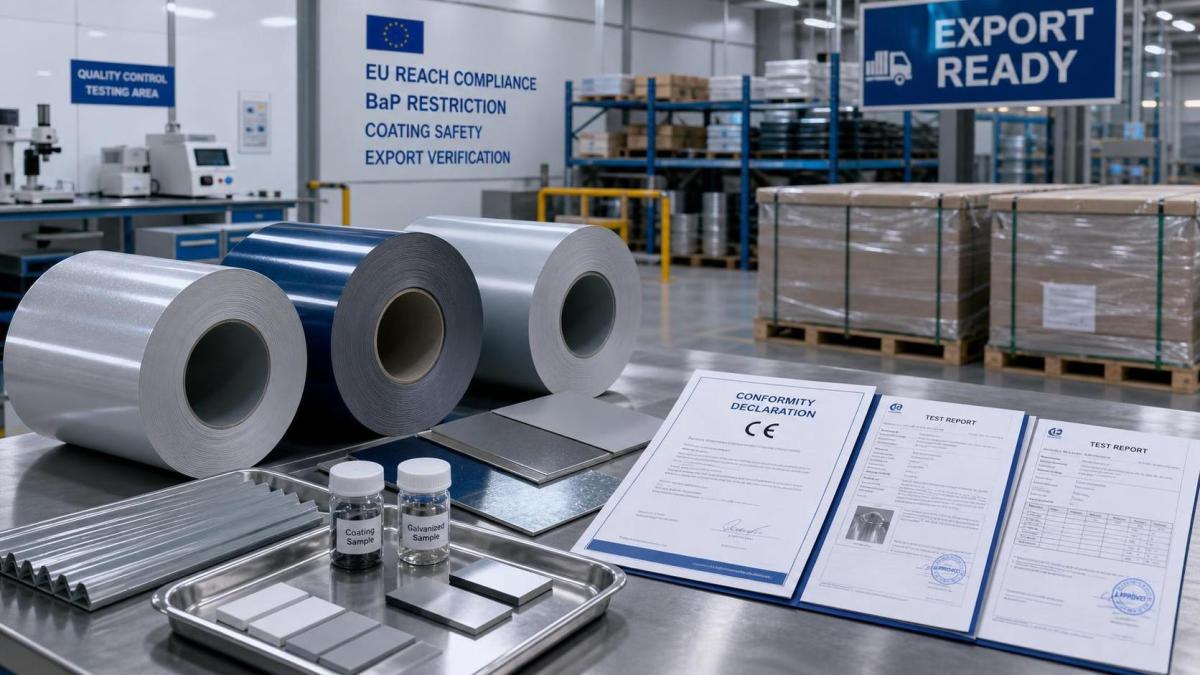
A lower threshold and new verification requirements
The confirmed change is that the BaP limit in steel surface coatings has been reduced from 5 mg/kg to 0.5 mg/kg under the amended EU REACH framework. The scope described in the provided information covers steel surface coating products including hot-dip galvanized materials, color-coated steel sheet, and pre-painted steel strip.
The same amendment also requires that, from October 1, 2026, all imported steel products be accompanied by a declaration of conformity and third-party testing verification. According to the provided summary, this revision directly affects coating processes, testing and certification activity, and customs clearance document preparation for Chinese steel exporters.
Where the pressure is likely to appear first
Export shipments facing document-sensitive clearance
Direct trading and export companies may feel the impact first because the rule change is tied not only to a lower substance limit but also to conformity declarations and third-party test verification for imported steel products. In practice, the main pressure point is likely to be whether export files, supporting reports, and product-related compliance records can align with the new requirement before shipment and clearance stages.
Coating operations under tighter substance control
For processors and manufacturers handling coated steel, the change matters because the restricted value for BaP in surface coatings has been tightened by a factor of ten. The business impact is likely to center on coating process consistency, raw material review, and the ability to show that affected coated products can meet the revised threshold through verifiable test results.
Procurement and sourcing teams may need stricter upstream checks
Buyers and raw material procurement teams may also be affected where coated steel is purchased for EU-facing orders or projects. What deserves closer attention is whether supplier qualification materials, coating-related technical documents, and order specifications are sufficient to support downstream declarations and third-party verification once the October 2026 enforcement date arrives.
Testing and certification workflows become part of delivery preparation
Testing service providers, certification-related companies, and supply chain service teams are implicated because the amendment explicitly adds third-party verification to imported steel products. That means compliance support is no longer limited to internal quality review; it becomes part of the delivery and customs preparation path for affected shipments.
What companies should review before October 2026
Check whether current technical files can support a conformity declaration
Analysis shows that affected companies should first review whether existing product files for coated steel can support a compliant declaration of conformity under the revised requirement. This includes checking whether current internal records and external supporting materials are organized in a way that can be presented consistently across sales, compliance, and shipping functions.
Reconfirm the validity and timing of third-party testing
Observably, third-party testing is no longer a secondary support item for EU-bound coated steel products under the provided summary. Companies should therefore pay attention to how testing reports are obtained, matched to product categories, and scheduled against shipment timing, especially where multiple coated product forms are involved.
Review purchase specifications and supplier submissions
From an industry perspective, procurement terms may need closer alignment with the revised BaP threshold where coated steel is sourced externally. The practical issue is not only the material itself, but whether supplier submissions, specification sheets, and related technical documents can support later compliance review without creating gaps during order execution.
Watch for changes in customs and customer-facing paperwork
It is more appropriate to understand the current stage as one where companies should monitor how the new requirement is reflected in shipping files, clearance documents, and customer-requested compliance packages. The provided information confirms the need for declarations and third-party verification, but it does not provide detailed implementation language for every transaction scenario, so document handling remains an area to watch closely.
Why this reads as an enforcement signal, not only a chemical limit revision
Analysis shows that this development is more than a numerical adjustment to a restricted substance threshold. The combination of a much lower BaP limit and a fixed enforcement date for conformity declarations and third-party testing points to a rule change with immediate operational consequences for trade execution. At the same time, it is still necessary to observe how official wording, verification practice, and market-side document expectations are applied in day-to-day transactions, because the provided information does not set out all detailed execution scenarios.
Observably, the practical significance lies in the connection between product compliance and import-facing proof. That makes the update especially relevant to businesses whose coated steel products move through cross-border supply chains where technical files, test evidence, and customs documentation must remain consistent.
How this update is best understood now
At this stage, the development is best understood as a confirmed regulatory tightening with a near-term execution deadline rather than a distant policy discussion. The known facts already indicate a lower BaP limit for steel coatings and mandatory compliance verification for imported steel products from October 1, 2026. The broader market effect still requires observation, but for affected companies the immediate issue is readiness in coating control, testing arrangements, and shipment documentation.
Basis of this article and what still needs verification
This article is based on the user-provided news title, event date, and event summary. For this type of development, commonly relevant source categories may include official regulatory notices, publications from supervisory authorities, customs or trade administration updates, industry association notices, standards-related documents, and reporting by authoritative media.
A specific official source link was not provided in the input, so the exact source document path should be verified on an ongoing basis. What still requires continued attention includes detailed implementation wording, certification and testing practice, changes in tender or procurement documents, market feedback, and how affected companies execute the new requirements in actual export and delivery workflows.
By clicking 'Allow All', you agree to the storage of cookies on your device to enhance site navigation, analyze site usage and assist with our marketing efforts.
Leave a message and we'll get back to you soon.