
— News Center
US Probes Hot-Rolled Coil Rerouting via Mexico
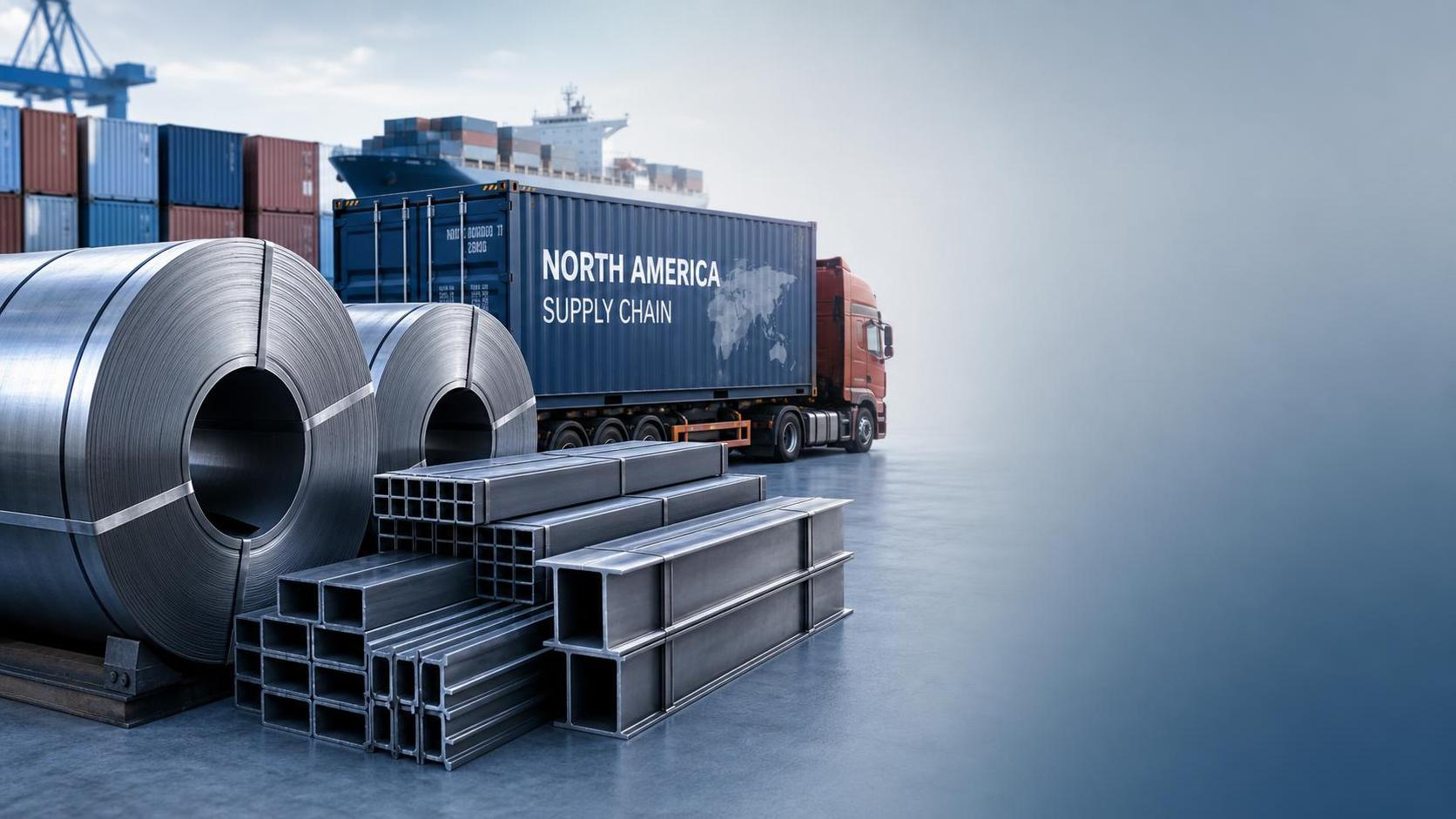
On July 26, 2026, the U.S. Department of Commerce opened an anti-circumvention investigation into whether hot-rolled coil from China was being processed or simply assembled in Mexico before entering the U.S., with the purpose of avoiding the existing 25% Section 232 tariff. For steel and section exporters, North American distributors, importers, and OEM buyers, this development deserves attention because it directly raises questions around compliance routes, origin documentation, customs treatment, and how regional supply chains are structured in practice.
What the filing formally covers
The confirmed facts are limited but commercially significant. The case was formally initiated on July 26, 2026 by the U.S. Department of Commerce. The subject is whether Chinese hot-rolled coil was routed through Mexico after third-country processing or simple assembly and then exported to the United States in a way that could circumvent the current 25% Section 232 tariff. The matter directly touches compliance pathways for steel and section exports, origin certificate requirements, and supply chain arrangements linked to the North American market.
Where the immediate pressure may appear
Trade flows tied to North America
From an industry perspective, exporters shipping steel products and related sections toward North America may face the earliest pressure in documentation and transaction review. The practical issue is not only shipment movement, but whether the declared production and processing path can withstand closer scrutiny if customs or counterparties ask for supporting records.
Importers and distributors handling customs clearance
Analysis shows that importers and distributors may be exposed to near-term clearance and compliance risk because they sit at the point where origin claims, supplier statements, and import filings converge. What deserves closer attention is whether existing paperwork, supplier disclosures, and commercial arrangements are detailed enough for goods that involve cross-border processing before U.S. entry.
OEM buyers sourcing through regional supply chains
For OEM procurement teams, the issue may extend beyond tariff cost into delivery certainty and sourcing continuity. Observably, any investigation of this kind can shift attention to how upstream material was processed, where transformation occurred, and whether the supply chain design itself could trigger additional review during purchasing or inbound logistics.
What companies should watch now
Official wording and any follow-up clarification
Companies linked to the affected trade route should monitor how the case is described in subsequent official communications. Analysis shows that the legal framing of processing, simple assembly, and origin-related treatment can matter as much as the investigation itself for day-to-day compliance decisions.
Origin records and transaction documents
What deserves closer attention is the quality and consistency of origin proof, production records, and trade documents across suppliers, processors, and import entities. For businesses serving the U.S. market through Mexico-linked supply chains, document gaps may become a commercial problem even before any final outcome is known.
Supplier review and delivery planning
From an industry perspective, firms should review whether current suppliers, processors, and logistics arrangements create avoidable exposure in customs clearance or customer acceptance. This is particularly relevant where procurement commitments, shipment schedules, and customer delivery windows depend on uninterrupted cross-border movement.
Customer communication and contingency preparation
Observably, distributors, importers, and OEM-facing sellers may need a clearer communication line with customers on origin documentation, lead times, and potential review points. The key distinction is between a formal investigation and a final determination; business communication should reflect that difference while still preparing for possible disruption.
Why this reads as a compliance signal, not a final outcome
Analysis shows that this development is better understood as an active compliance and enforcement signal rather than a settled trade result. The confirmed fact is the opening of an investigation, not a final finding. Even so, the case matters because it highlights where authorities may focus: third-country processing, simple assembly, and the credibility of origin claims tied to North American steel trade flows. For the industry, that makes this a live issue requiring continued observation rather than a completed policy change.
How to read the development at this stage
At this stage, it is more appropriate to understand the case as an immediate operational and documentary risk point for affected market participants, especially those involved in cross-border steel sourcing and resale into the United States. The significance lies less in a confirmed outcome and more in the signal that compliance routes, proof of origin, and supply chain design are now under closer attention. That makes this a near-term issue for execution, and a medium-term issue for supply chain planning.
Basis of this report and what still needs verification
This article is based on the user-provided news title, event date, and event summary. For developments of this type, market participants typically continue to verify information against source categories such as official government notices, company disclosures, industry association updates, authoritative media reporting, and trade-related documentation standards. A specific official source link was not provided in the input, so further verification remains necessary. Continued attention should be paid to any follow-up official statements, clarifications on scope, and practical changes affecting origin documentation or customs handling.
By clicking 'Allow All', you agree to the storage of cookies on your device to enhance site navigation, analyze site usage and assist with our marketing efforts.
Leave a message and we'll get back to you soon.