
— News Center
EU Starts First CBAM Steel Verification Round
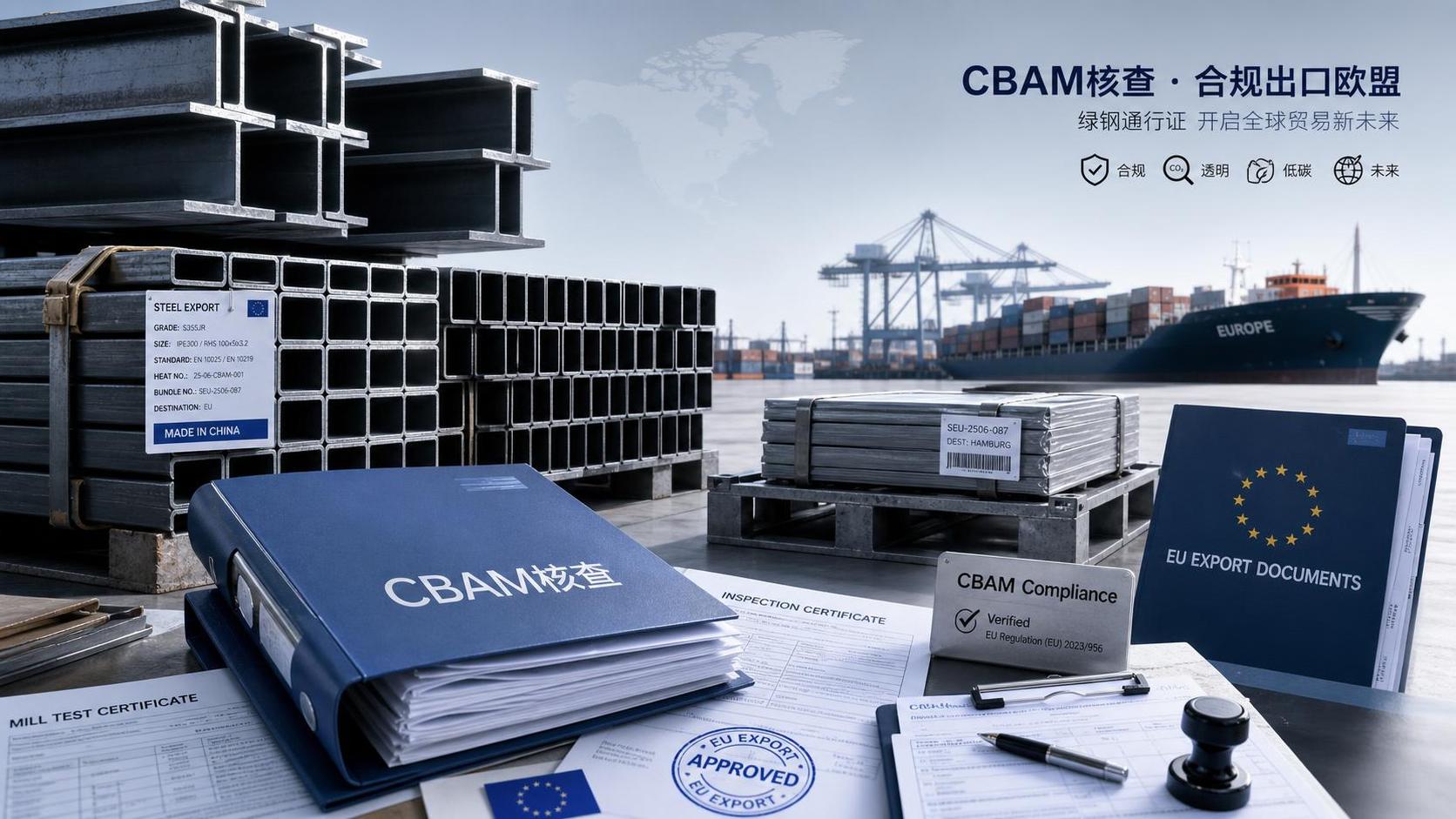
On July 27, 2026, the European Commission formally launched the first mandatory CBAM emissions data verification round for steel and structural steel products, putting immediate pressure on Chinese exporters of sections and tubes that supply the EU market. The move covers key export categories including hot-rolled H-beams and cold-formed rectangular tubes, and it matters not only to manufacturers but also to EU importers, distributors, customs-facing teams, and inventory planners because compliance status will now affect system access, customs handling, and purchase continuity.
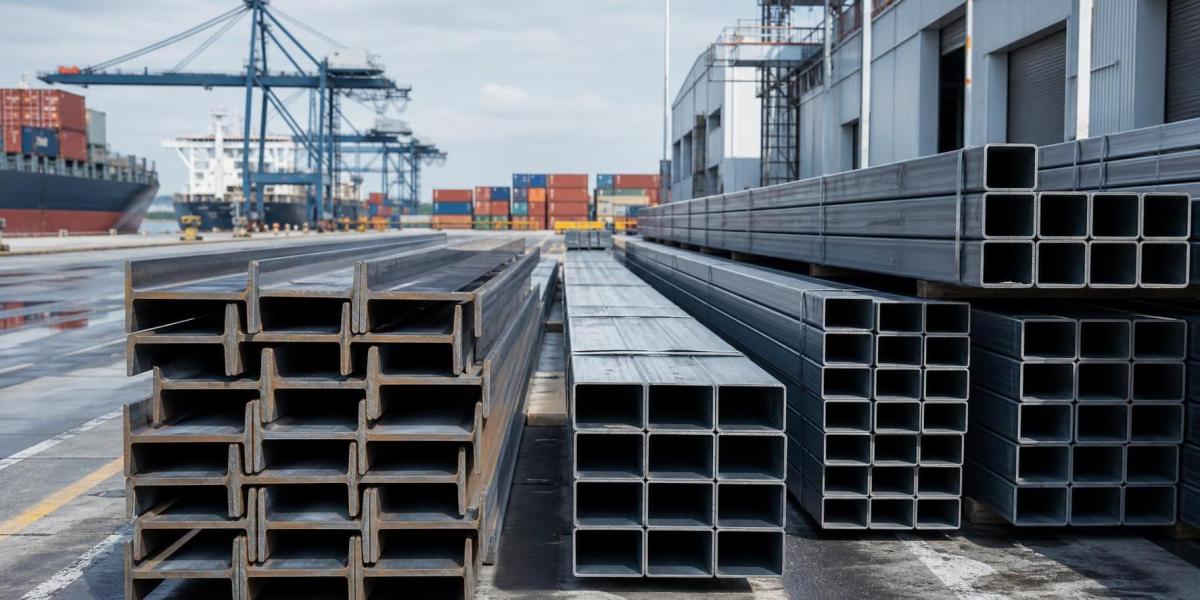
The verification step now moves into enforcement
According to the information provided, the European Commission started the first mandatory verification of emissions data under the Carbon Border Adjustment Mechanism (CBAM) for steel and structural steel products on July 27, 2026.
The scope includes major export structural product categories such as hot-rolled H-beams and cold-formed rectangular tubes.
The same information states that from October 2026, Chinese suppliers that fail to complete compliant reporting will be refused entry into the CBAM system. That would lead to customs clearance delays and additional guarantee requirements.
It is also confirmed that this verification directly affects procurement access for EU importers and inventory planning for distributors.
Where the pressure is likely to appear first
Export-oriented mills and profile manufacturers
From an industry perspective, these companies are the first group exposed because the requirement is tied directly to emissions reporting for covered steel and profile products. The practical impact is likely to concentrate on data submission, document readiness, and customer qualification for EU-bound shipments. What deserves closer attention is whether product-specific reporting for the affected categories can be completed in time for customer procurement cycles.
EU importers and sourcing teams
Analysis shows that importers are affected because supplier access to the CBAM system now becomes part of procurement eligibility. The impact is not limited to compliance departments; it also reaches sourcing decisions, shipment scheduling, and supplier screening. Buyers will need to watch whether existing Chinese suppliers can maintain compliant reporting status before October 2026.
Distributors and stock planning functions
Distributors may feel the effect through inventory timing and replenishment risk. If non-compliant suppliers face customs delays or added guarantee requirements, inventory plans tied to those supply lines may need adjustment. Observably, the issue is less about abstract policy exposure and more about whether product availability and inbound timing remain predictable.
Supply chain and customs service providers
Service providers involved in customs handling, documentation, and shipment coordination may also be affected because reporting status can influence clearance progress and guarantee arrangements. The key change to monitor is whether clients have completed the required compliance steps early enough to avoid disruption at the border.
What companies should focus on now
Keep the reporting timeline tied to the 2026 Q2 emissions requirement
What deserves closer attention is the immediate reporting task itself. For Chinese exporters of the covered steel profile categories, the stated requirement to submit 2026 Q2 emissions data should be treated as a near-term operational issue rather than a distant policy topic.
Check whether covered products are exposed to customer access risk
Companies shipping hot-rolled H-beams, cold-formed rectangular tubes, and other relevant structural steel products should review which EU customers may be affected first if CBAM system registration becomes a procurement gate. The important distinction is between policy awareness and actual shipment eligibility.
Prepare for customer and customs-side document questions
Analysis shows that the consequence of non-compliance is not merely administrative. Since the provided information points to customs clearance delays and additional guarantee requirements, exporters, importers, and logistics-facing teams should be ready for tighter document review and more direct customer requests related to compliance status.
Align procurement, delivery, and communication plans before October
Because the October 2026 consequence is already identified in the provided information, companies should pay close attention to delivery schedules, supplier qualification checks, and customer communication. This is especially relevant where inventory plans or contract execution depend on uninterrupted EU entry.
Why this reads as more than a routine filing step
Observably, this development is not just another reporting reminder. It signals that CBAM treatment for covered steel and profile exports is moving from a compliance discussion into a transaction-level filter that can affect who stays in the purchasing chain.
At the same time, it would be premature to describe the event as a final market outcome. Based on the information provided, this is better understood as an enforcement-stage signal with immediate operational implications. The long-term commercial impact will still depend on how companies complete reporting and how buyers respond in procurement and inventory decisions.
How the market may need to read this stage
The industry significance of this update lies in its timing and its direct connection to market access mechanics. For covered steel and structural product exporters, the issue is no longer limited to policy interpretation; it now reaches customs timing, buyer qualification, and stock planning.
It is more appropriate to understand this as a near-term compliance trigger and a longer-term signal of stricter market entry discipline under CBAM. That makes it important, but it does not yet justify broad conclusions beyond the affected reporting and procurement processes described in the available information.
Basis of this article and points requiring continued verification
This article is based on the user-provided news title, event date, and event summary. In reporting of this kind, commonly relevant source categories may include official announcements, company disclosures, industry association updates, authoritative media coverage, and standards or regulatory documents.
No specific official source link was provided in the input, so the exact official publication path still requires ongoing verification. Areas that merit continued attention include any follow-up wording from the European Commission, any clarification affecting covered steel profile categories, and any practical changes in how reporting status influences procurement access, customs handling, and distributor inventory planning.
By clicking 'Allow All', you agree to the storage of cookies on your device to enhance site navigation, analyze site usage and assist with our marketing efforts.
Leave a message and we'll get back to you soon.